
Topic overview
In brief
- Scott Milinsky, diagnosed with Alzheimer's, received 18 infusions of a new medication over a year and a half.
- The treatment, Kisunla, targets and removes amyloid plaques from the brain, which are linked to Alzheimer's.
- Milinsky's successful treatment offers hope for more advancements in Alzheimer's therapies.
Summary
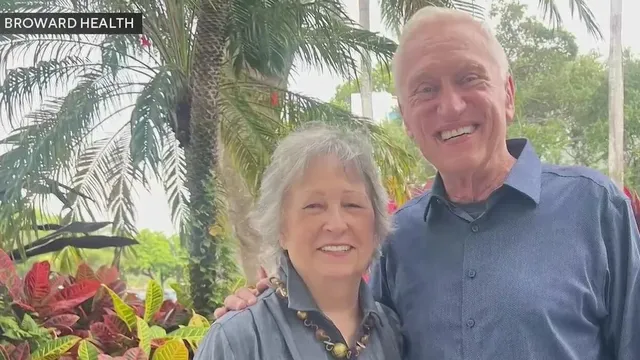
In Florida, Scott Milinsky, a 79-year-old man diagnosed with Alzheimer's disease, has experienced a significant breakthrough in his treatment. He received a new medication called Kisunla at Broward Health North's Memory Disorder & Alzheimer's Center, under the supervision of Dr. Hazel Wiley. This therapy is designed to slow the progression of early symptomatic Alzheimer's by targeting and removing amyloid plaques, which are characteristic of the disease. Over the course of a year and a half, Milinsky underwent a total of 18 infusions, culminating in a final PET scan that confirmed the absence of amyloid plaques in his brain.
Milinsky's journey began with a deep fear of following in his father's footsteps, who also suffered from Alzheimer's. The emotional weight of his diagnosis was heavy, as he recalled the terror of potentially losing his identity and memories. However, the treatment provided him with a glimmer of hope. Dr. Wiley explained that while the treatment does not cure Alzheimer's, it has shown promising results in slowing cognitive and functional decline by effectively removing the harmful plaques from the brain.