
Topic overview
Briefly
- John Medina, a 6-year-old with autism, was suspended for shaping his sandwich like a gun.
- His parents argue that the school's strict policies do not consider his developmental disabilities.
- The family seeks a more supportive approach to discipline to help John build self-esteem and friendships.
What happened
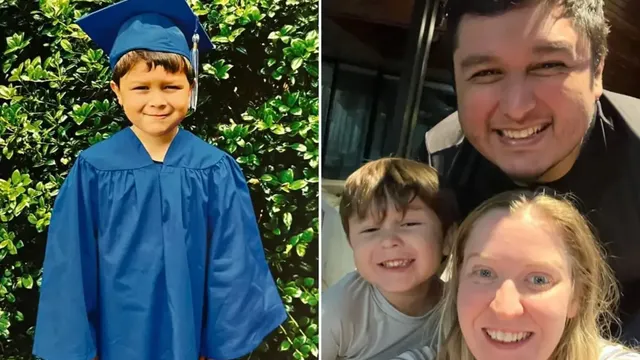
In March 2023, John Medina, a 6-year-old boy with autism, was suspended from Sarah Harp Elementary School in Fayette County, Georgia, for an incident during lunch where he bit his sandwich into the shape of a gun and pointed it at a classmate. His parents, Kristin and Juan 'Ricky' Medina, argue that the school's strict disciplinary policies do not consider John's developmental disabilities, which include level 1 autism and ADHD. They claim that these conditions make it challenging for him to grasp social norms, leading to a troubling history of suspensions and disciplinary actions.
Since the beginning of 2023, John has faced approximately 15 suspensions and over two dozen disciplinary actions, many of which his parents believe stem from harmless behaviors, such as making hand gestures or drawing pictures that involve weapons. They express concern that the school's approach to discipline has negatively impacted John's self-esteem, causing him to feel isolated and label himself as a 'bad kid.' The Medinas emphasize that traditional punishments are ineffective for children with autism and advocate for a more educational approach to discipline, suggesting that teachable moments would be more beneficial for John.
Initially, the school refused to provide John with an Individualized Education Program (IEP), claiming he was too academically advanced and did not exhibit signs of autism. This decision frustrated his parents, who believe that John's academic abilities should not overshadow his need for support due to his autism. After hiring a special education advocate, the school has reportedly become more lenient with suspensions, allowing John to spend time in a smaller, calmer classroom setting where he excels.
The Medinas hope to see a shift in the school's disciplinary practices, advocating for less severe punishments and more understanding of John's unique needs. They believe that fostering an environment where John can build his self-esteem, confidence, and friendships is crucial for his development. The ongoing situation highlights the challenges faced by children with developmental disabilities in traditional school settings and raises questions about how schools can better accommodate and support these students.

Comprehensive report
Full story,
in detail.
Trace the developments that led here, see how the story evolved, and understand the forces and wider context surrounding it.