
Topic overview
Briefly
- Panettiere developed postnatal depression after a life-threatening birth in 2014.
- She turned to alcohol as a coping mechanism and felt the root depression was untreated.
- In 2018, she gave custody of her daughter to ex-fiancé Wladimir Klitschko to seek help.
What happened
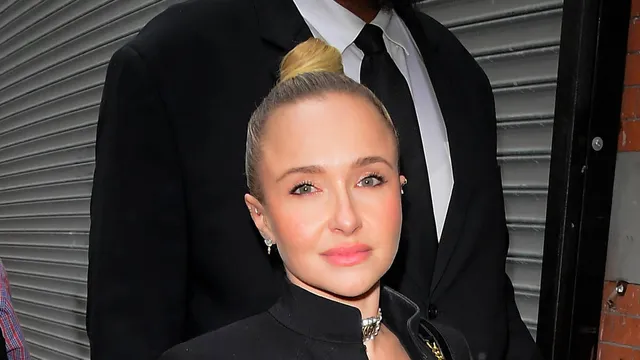
In one of her final interviews before her death at age 36, US actress Hayden Panettiere spoke candidly about the circumstances that led to her giving up custody of her daughter, Kaya, now 11. The interview, conducted with parenting outlet Mome for its July cover, detailed a series of traumatic events beginning with the life-threatening birth of her daughter in 2014. Panettiere recalled hemorrhaging severely after delivery, an emergency that required seven blood transfusions and surgery to repair failing vessels. While her daughter was born safe and healthy, the actress's personal ordeal was just beginning. Days after the birth, she experienced a profound emotional disconnect, feeling what she described as 'nothing' when looking at her child, a symptom of the postnatal depression that would soon take hold.
The postnatal depression became the catalyst for a deepening struggle with alcohol. Panettiere explained that drinking became her primary coping mechanism, a way to simply get through each day. Although she eventually sought and underwent treatment, she felt the core issue was never properly addressed. The depression, which she identified as the root cause of her drinking, remained untreated, leaving her in a cycle of substance abuse. She expressed a wish that more people had understood what she was experiencing at the time, highlighting a sense of isolation and a lack of adequate support during her most vulnerable period.
By 2018, the cumulative weight of her addiction and mental health struggles led to a monumental decision. Panettiere signed over full custody of Kaya to her ex-fiancé, former Ukrainian heavyweight boxing champion Wladimir Klitschko, who was 50 at the time of the interview. This decision was not made lightly; it was a choice born from a place of maternal love and self-awareness. She stated that she knew she needed to put her daughter first so she could get the help she required to become the mother Kaya needed. The geographical separation, with Klitschko living in a different country, compounded the emotional difficulty. In her memoir, 'This Is Me: A Reckoning,' released earlier in the year, she described the experience of not living under the same roof as her daughter as the most gut-wrenching experience of her life, filled with layers of sadness, resentment, and anger.
The long-term consequences of this separation were a central theme in her final reflections. Panettiere spoke of maintaining a connection with Kaya through constant communication, describing her daughter as a 'mini-me' and expressing immense pride in the young woman she was becoming. She held onto the hope that one day Kaya would understand her story and the painful reasons for her absence. In her memoir, she grieved the loss of the mother she thought she would be, lamenting that no one should have to raise a child on FaceTime. Despite the heartache, she affirmed that Kaya was the greatest gift of her life. Following the actress's death, her father, Skip, confirmed the news, asking for privacy and remembering his daughter as an incredible light and a force of nature who brought immeasurable love and joy to all who knew her.

Comprehensive report
Full story,
in detail.
Trace the developments that led here, see how the story evolved, and understand the forces and wider context surrounding it.