
Topic overview
Briefly
- The U.S. Department of the Treasury imposed sanctions on 50 individuals and businesses linked to CJNG.
- The sanctions target the new leadership structure following the death of former leader El Mencho.
- This action aims to disrupt CJNG's operations and financial resources, reflecting a strong stance against organized crime.
What happened
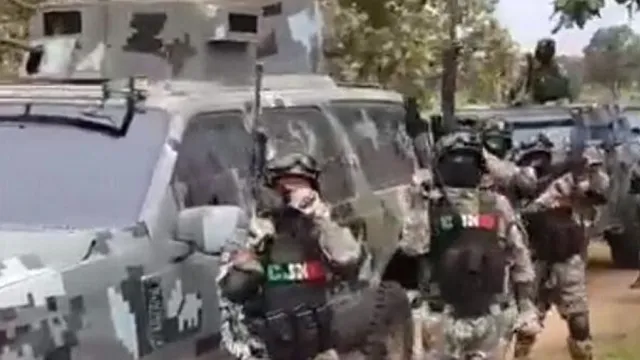
In February 2026, the U.S. Department of the Treasury announced a significant series of sanctions against the leadership of Mexico's Cartel Jalisco New Generation (CJNG). This action was taken in response to the organization's ongoing criminal activities, including drug trafficking and money laundering. The sanctions specifically targeted 50 individuals and businesses identified as key players within the cartel, aiming to freeze their assets and prohibit U.S. citizens from engaging with them financially. The sanctions were the largest of their kind, reflecting the U.S. government's commitment to combating organized crime and drug trafficking in Mexico.
The sanctions were particularly focused on the new leadership structure of CJNG, which has evolved following the death of its former leader, Nemesio Oseguera Cervantes, known as El Mencho. After El Mencho's death during a confrontation with Mexican authorities, Juan Carlos Valencia Gonzalez, also known as Pelon or El 3, took over the organization. Under his leadership, CJNG has maintained a complex operational structure that includes two other prominent leaders, Audias Flores and Gonzalo Gaytan, who together form what is referred to as the Trident. This structure allows for shared control and operational efficiency within the cartel.
The U.S. Treasury's report not only highlighted the drug trafficking operations of CJNG but also detailed various businesses used for money laundering and other illicit activities. These businesses ranged from energy companies to agricultural firms, indicating the cartel's extensive reach into legitimate sectors of the economy. The sanctions aim to disrupt these operations and limit the cartel's financial resources, thereby weakening its influence and ability to conduct criminal activities.
The implications of these sanctions are significant, as they represent a concerted effort by the U.S. government to address the challenges posed by organized crime in Mexico. By targeting the financial networks and leadership of CJNG, the U.S. hopes to reduce the cartel's power and influence, ultimately contributing to a safer environment both in Mexico and the United States. The sanctions also serve as a warning to other criminal organizations about the potential consequences of engaging in similar activities, reinforcing the U.S. commitment to combating drug trafficking and organized crime on an international scale.

Comprehensive report
Full story,
in detail.
Trace the developments that led here, see how the story evolved, and understand the forces and wider context surrounding it.