
Topic overview
Briefly
- Alabama's congressional map was redrawn following a Supreme Court decision, impacting District 2.
- Six Republican candidates are competing for the nomination against Democratic incumbent Shomari Figures.
- Confusion and concerns about low voter turnout have arisen due to the recent changes in district lines.
What happened
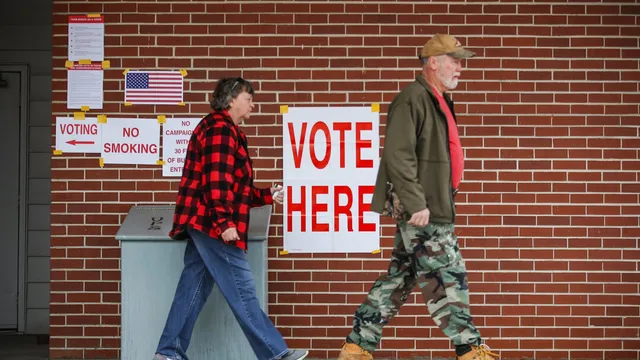
In Alabama, a significant congressional primary took place in August 2026, following a redistricting effort that aimed to enhance Republican representation in the House of Representatives. The state’s congressional district lines were altered after a Supreme Court decision mandated a new map, which resulted in the elimination of one majority-Black district. This change has led to a competitive race in Alabama's Second Congressional District, where six Republican candidates are vying for the nomination against Democratic incumbent Shomari Figures. The redistricting has caused confusion among voters, many of whom were unaware of the election date and the changes to their districts.
The redrawn map has been a point of contention, particularly among Democratic voters who fear that their representation will be diluted. The new configuration has prompted some candidates who previously lost in District 1 to enter the race in District 2, hoping to capitalize on the perceived opportunity to unseat Figures. Local sentiments reflect a mix of confusion and concern, with many residents expressing uncertainty about the electoral process and the implications of the new district lines. The primary elections are crucial as they set the stage for the upcoming November elections, where the stakes are high for both parties.
As the election date approached, concerns about low voter turnout emerged, exacerbated by the sweltering August heat and the proximity of the primaries. Many voters were reportedly unaware that they needed to vote again after their previous ballots were voided due to the redistricting. This situation has raised alarms among local leaders and candidates, who worry that the changes will disproportionately affect Black voters, who traditionally lean Democratic. The political landscape in Alabama is shifting, and the outcome of this primary could have lasting implications for the state's representation in Congress.
In summary, the redistricting in Alabama has created a complex electoral environment, with significant implications for both Republican and Democratic candidates. The primary elections in August 2026 are a critical moment for the state's political future, as candidates navigate the challenges posed by the new congressional map and the potential for low voter engagement. The outcome will not only determine the nominees for the upcoming elections but also reflect the ongoing struggle for fair representation in Alabama's political landscape.

Comprehensive report
Full story,
in detail.
Trace the developments that led here, see how the story evolved, and understand the forces and wider context surrounding it.