
Topic overview
Briefly
- Dallas-Fort Worth International Airport plans to install Islamic foot washing stations in Terminal D's restrooms.
- The project, costing $300,000, is privately funded and aims to improve hygiene and safety for travelers.
- The installation reflects a growing trend among major U.S. airports to accommodate diverse religious practices.
What happened
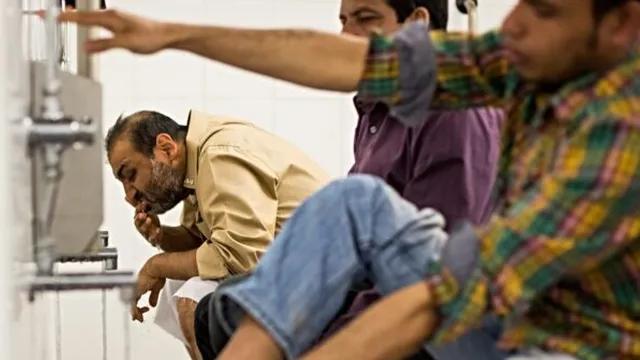
In the United States, Dallas-Fort Worth International Airport has announced plans to install Islamic foot washing stations in its terminal bathrooms. This initiative, which is part of a $300,000 project, was officially registered with the Texas Department of Licensing and Regulation on July 31, 2026, and is expected to be completed by the end of the year. The foot washing stations, known as ablution stations, will be added to existing restrooms in Terminal D, catering to both men and women. This decision comes in response to complaints regarding the use of regular sinks for foot washing, which has led to unhygienic conditions and safety concerns due to wet floors. The airport aims to provide a dedicated space for Muslims to perform Wadu, an Islamic tradition of washing before prayer, thereby maintaining cleanliness and safety in the restrooms. The choice of Terminal D is strategic, as it handles a significant volume of international flights, making it a suitable location for such facilities. Dallas-Fort Worth International Airport joins other major U.S. airports, including Houston's Bush Intercontinental Airport and Chicago O'Hare Airport, which have already implemented similar stations. The project has sparked mixed reactions on social media, with some conservatives expressing concerns about the implications of such installations, while others, like conservative activist Ryan Fournier, have defended the initiative as a practical measure for airport management. Fournier emphasized that the installation of these stations is not about promoting an ideology but rather about ensuring safety and cleanliness in one of the busiest travel hubs in the world. The project is privately funded, meaning taxpayers will not bear the financial burden of the construction. As the completion date approaches, the airport is likely to continue addressing public concerns and ensuring that the facilities meet the needs of all travelers.

Comprehensive report
Full story,
in detail.
Trace the developments that led here, see how the story evolved, and understand the forces and wider context surrounding it.