
Topic overview
Briefly
- Judge Richard Leon denied the tribe's request to halt border wall construction on its reservation.
- The tribe argued the wall would destroy sacred sites and disrupt families, but the judge cited the 2
- The ruling follows the One Big Beautiful Bill Act that allocated $46.6 billion for border wall.
What happened
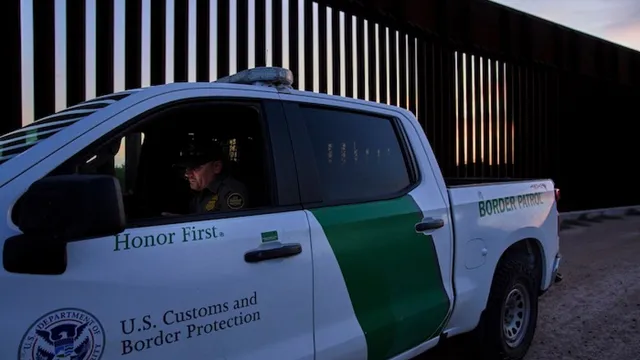
On August 14, 2026, U.S. District Judge Richard Leon in Washington, D.C., denied the Tohono O'odham Nation's request for a preliminary injunction to stop the Trump administration from building a 62-mile border wall along the tribe's reservation in southern Arizona. The tribe, which has over 37,000 members including thousands living in Mexico, argued that the construction would trespass on its land, destroy sacred sites, and disrupt religious practices and family ties across the border. Judge Leon ruled that the tribe had not shown that the wall would change reservation boundaries, which only Congress can do, and that the government's interests in border security and public safety outweighed the tribe's concerns. He also cited the Roosevelt Reservation, a 60-foot strip of public land along the border established in 1907, as legal basis for the construction. The tribe strongly disagreed, stating that the court did not address critical issues like the destruction of sacred mountain peaks and the impact on O'odham communities. The ruling came after the One Big Beautiful Bill Act, signed by President Trump on July 4, 2025, allocated $46.6 billion for border infrastructure, including $4.5 billion in contracts for a "smart wall" system. The tribe plans to consider all legal options to continue its challenge.

Comprehensive report
Full story,
in detail.
Trace the developments that led here, see how the story evolved, and understand the forces and wider context surrounding it.