
Topic overview
In brief
- Hungary's Paks Power Plant was nearly shut down due to low water levels in the Danube.
- The ongoing heat wave has led to wildfires and health alerts across Europe.
- The situation highlights the urgent need for climate action and disaster preparedness.
Summary
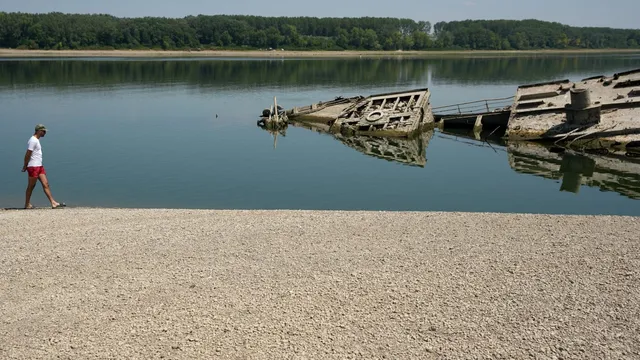
Hungary is currently facing a significant energy crisis due to extremely low water levels in the Danube river, which have threatened the operation of the Paks Power Plant, the country's only nuclear power facility. On August 3, 2026, Prime Minister Péter Magyar reported that the plant was just millimeters away from a forced shutdown during the early hours of the morning. Fortunately, the water level stabilized and even rose slightly by morning, allowing the last turbine to continue operating safely. This situation highlights the broader impact of the ongoing heat wave affecting Europe, which has already forced Romania to close two of its nuclear reactors due to similar water level concerns. Meanwhile, Bulgaria's nuclear power plant has managed to maintain its capacity despite the low water levels, showcasing a varying response among countries reliant on the Danube for cooling their reactors. The retreating river has also revealed historical artifacts, including World War II relics in Serbia, as drought conditions persist across the region. In addition to energy concerns, the heat wave has led to devastating wildfires, particularly in Greece, where firefighters have been battling blazes fueled by the extreme weather. The situation has resulted in tragic losses, including the deaths of several firefighters in recent days. As the heat wave continues, health alerts have been issued across various regions in Europe, indicating rising temperatures pose increased health risks, especially for vulnerable populations. The combination of energy supply threats and environmental disasters underscores the urgent need for effective climate action and disaster preparedness in the face of changing weather patterns.