
Topic overview
Briefly
- Ukrainian drones have targeted Wildberries warehouses, causing an estimated $6 billion in damages.
- The attacks aim to disrupt Russia's wartime logistics and bring the war's impact closer to Russian civilians.
- This strategy may increase economic pressure on ordinary Russians and challenge the Kremlin's narrative about the war.
What happened
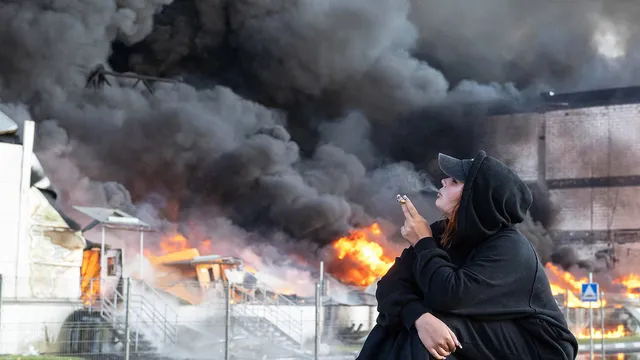
In a significant escalation of its military strategy, Ukraine has been targeting Wildberries warehouses across Russia since mid-July 2026. Wildberries, often referred to as Russia's equivalent of Amazon, plays a crucial role in the Russian economy, with a vast network of 95,000 pick-up points serving millions of consumers. The attacks have resulted in substantial damage, with estimates of losses reaching $6 billion, and have reportedly killed at least nine workers. The Ukrainian government claims that these strikes are aimed at disrupting Russia's wartime logistics and economic infrastructure, thereby increasing pressure on the Russian populace to confront the realities of the ongoing conflict.
The rationale behind targeting Wildberries is twofold. Firstly, Ukraine views the platform as a legitimate target due to its alleged involvement in supporting the Russian war effort through the sale of military-related goods. Secondly, the attacks are intended to bring the war closer to the everyday lives of Russian citizens, who, according to reports, have largely remained unaffected by the conflict. By striking at a major economic player, Ukraine aims to create a 'shock and awe' effect that forces ordinary Russians to acknowledge the war's impact on their lives.
The consequences of these drone strikes extend beyond immediate physical damage. As Wildberries is a significant player in the Russian retail market, the attacks threaten to disrupt supply chains and consumer behavior. With the company accounting for nearly 3% of Russia's GDP and a substantial portion of its online retail, the economic ramifications could be profound. Experts suggest that while the strikes may not immediately weaken support for President Vladimir Putin, they could lead to increased economic hardship for ordinary Russians, making it harder for the Kremlin to maintain the narrative that the war does not affect daily life.
As the conflict continues, the Kremlin has responded by considering measures such as loans and tax relief to support affected businesses. However, the effectiveness of these measures remains uncertain. The ongoing attacks on Wildberries highlight a shift in Ukraine's military strategy, focusing on economic targets that resonate with the civilian population. This approach aims to leverage economic pressure as a means of influencing public sentiment and potentially altering the course of the war. The situation remains fluid, with the potential for further escalation as both sides adapt to the evolving dynamics of the conflict.

Comprehensive report
Full story,
in detail.
Trace the developments that led here, see how the story evolved, and understand the forces and wider context surrounding it.