
Topic overview
Briefly
- A 14-year-old in 2016 had no vote but faces a lifetime of Brexit consequences.
- Post-Brexit barriers to EU work and study now disproportionately harm non-wealthy young creatives.
- A new prime minister's past support for rejoining the EU has renewed hope for a silenced generation.
What happened
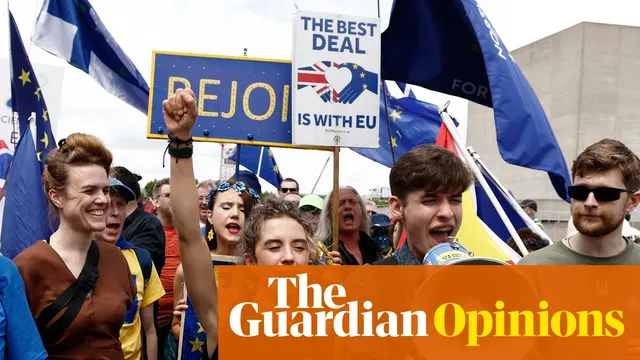
The article, written by student and activist Ceira Sergeant, reflects on the decade-long impact of the 2016 Brexit referendum on a generation that was too young to participate. Sergeant, who was 14 at the time of the vote, describes the experience of understanding a monumental political decision was being made without having any agency in it. The core of the argument is that this cohort has spent their formative adult years living with the consequences of a choice they were legally barred from influencing. The piece is not merely a retrospective lament but a forward-looking call to action, fueled by a new political landscape. The appointment of a prime minister with a recorded history of supporting a return to the European Union is presented as a catalyst for renewed hope, a crack in the previously immovable post-Brexit political consensus.
The consequences of Brexit for this generation are detailed as both economic and cultural. Sergeant points to a difficult economic future already facing young people, which is exacerbated by the barriers to opportunity erected by leaving the EU. The text specifically highlights the loss of freedom of movement for study and work, framing it as a practical impediment to personal and professional development. Furthermore, it identifies a specific, often overlooked, sector: the creative industries. The obstacles now facing musicians, artists, and young creatives who wish to tour, collaborate, or work in Europe are presented as a key cultural loss. A critical point is the assertion that these diminished opportunities are not universally felt; they disproportionately affect those without personal wealth, creating a system where international experience is a privilege reserved for the rich who can pay their way around the new bureaucratic hurdles.
The article articulates a profound sense of political disillusionment stemming from this experience. Sergeant connects the act of being silenced as a teenager directly to a broader apathy and disbelief in the political system. The rhetorical question, "Is it any wonder many people have stopped believing politics can change anything?", encapsulates the psychological toll of being told a decision is irreversible while simultaneously being excluded from the initial debate. This sentiment is the foundation for the piece's central demand: enfranchisement and a direct say on the issue. The logic is simple and powerful: if a person is old enough to live with the lifelong consequences of a decision, they are old enough to have a say in it. The upcoming "host and rally speaker" event, where all participants belong to this previously silenced generation, is framed as a symbolic and practical turning point, a moment where this cohort transitions from being subjects of a decision to active political agents.
The final section of the article is a direct and unapologetic manifesto for this generation. It rejects paternalistic sympathy from older politicians, demanding substantive action instead of condescension. The demand is not for a vague reconsideration but for a specific policy goal: the UK to rejoin the EU. The text makes clear that this is not a fringe view but the collective desire of a generation that has grown up feeling connected to Europe and the wider world. The decade of listening to the priorities of the 2016 voters is declared over. The piece culminates in a declaration of political maturity and power, stating that while the past silencing cannot be changed, the present reality is that this generation is now adult, enfranchised, and ready to use its vote to demand "something better." It is a clear shift from a narrative of victimhood to one of empowered, democratic demand.

Comprehensive report
Full story,
in detail.
Trace the developments that led here, see how the story evolved, and understand the forces and wider context surrounding it.