
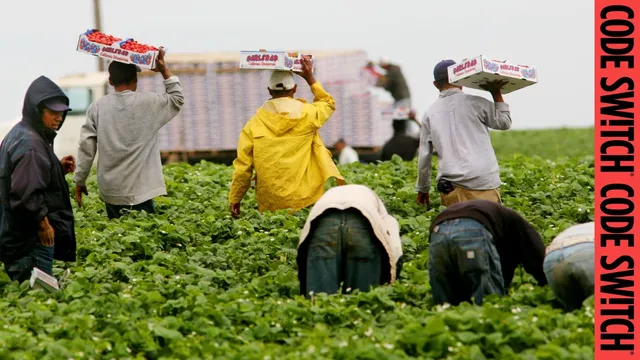
Topic overview
Briefly
- The H-2A visa program allows seasonal workers to enter the U.S. for agricultural work.
- This program has grown significantly, increasing by 500% since 2012.
- Despite its necessity, the program faces widespread criticism and raises concerns about reliance on foreign labor.
What happened
In the United States, the H-2A visa program has become a crucial pathway for seasonal agricultural workers, particularly in the context of the Trump administration's broader immigration policies. Since 2012, the program has seen a staggering growth of 500%, making it the only federal visa program that is still expanding. This increase comes at a time when the administration has been actively closing off other avenues for immigration, leading to a complex situation where agricultural labor remains dependent on this controversial program. Despite its growth, the H-2A visa program faces significant criticism from various stakeholders, including labor advocates and some farmers, who argue that it creates a problematic reliance on foreign labor while failing to address the underlying issues of labor shortages in the agricultural sector. The history of agricultural labor in the U.S. has shaped the current landscape, where the need for seasonal workers to pick fruits and vegetables is undeniable, yet the program itself is viewed as flawed and contentious. As the debate continues, the future of the H-2A visa program remains uncertain, with calls for reform and a reevaluation of how agricultural labor is managed in the country.

Comprehensive report
Full story,
in detail.
Trace the developments that led here, see how the story evolved, and understand the forces and wider context surrounding it.