
Topic overview
Briefly
- New York Assemblywoman Gallagher defended theft of necessities as crimes of poverty.
- She criticized wealth disparity and protection of corporations over struggling people.
- Commentator Tiana Lowe Doescher countered that material impoverishment is rare in the U.S.
What happened
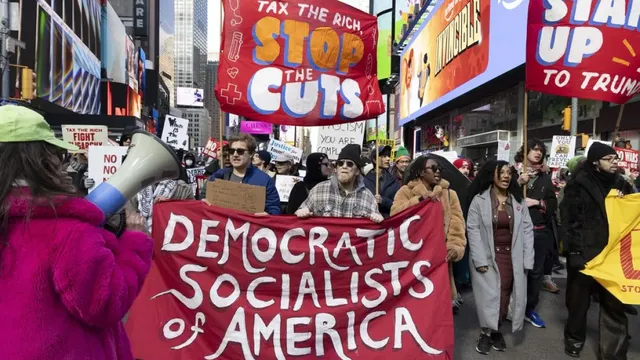
In a recent commentary, Washington Examiner writer Tiana Lowe Doescher criticized progressive Democrats, asserting that their activism is disconnected from the priorities of average Americans. Her remarks came in response to a video posted by New York Assemblywoman Gallagher, who defended individuals arrested for stealing basic necessities like toothpaste and soap, arguing that such thefts are crimes of poverty driven by extreme wealth disparity in New York City. Gallagher contended that the real crime is the existence of such inequality, which forces people to steal for survival, and she criticized the protection of large corporations like CVS and Walgreens over struggling individuals. She also advocated for criminal justice reforms, including 'treatment not jail' policies, and warned against right-wing media fearmongering.
Doescher pushed back against this narrative, stating that in the United States, it is extremely rare for people to actually die from material impoverishment. She argued that progressive activism is so far removed from the concerns of ordinary people that it fails to resonate with the broader public. This exchange highlights a growing ideological divide within the Democratic Party between its progressive wing, which emphasizes systemic inequality and criminal justice reform, and more moderate or centrist voices who believe such positions are out of step with mainstream American values.
The debate reflects broader national tensions over crime, poverty, and social welfare policies. Gallagher's comments, made in a video posted on X, have sparked discussions about the role of government in addressing economic disparities and the appropriate response to petty crime. Doescher's rebuttal underscores a conservative perspective that prioritizes personal responsibility and questions the prevalence of extreme poverty in the U.S. The clash between these viewpoints is emblematic of the ongoing struggle for the direction of the Democratic Party and the country's approach to social justice issues.
As the 2026 midterm elections approach, such disagreements are likely to intensify, with both sides seeking to define the party's platform and appeal to voters. The outcome of this internal debate could have significant implications for policy priorities, including criminal justice reform, economic inequality, and corporate regulation. While Gallagher represents a vocal progressive stance, Doescher's commentary reflects a broader skepticism among some commentators about the feasibility and popularity of such policies. The exchange also illustrates the role of social media and opinion journalism in amplifying political conflicts and shaping public perception.

Comprehensive report
Full story,
in detail.
Trace the developments that led here, see how the story evolved, and understand the forces and wider context surrounding it.