
Topic overview
Briefly
- Reform UK's plan would require renegotiating the UK's post-Brexit deal with the EU.
- The party estimates a £500m cost if British expats in the EU lose rights and return.
- Labour says millions who have lawfully lived and paid taxes in Britain would be affected.
What happened
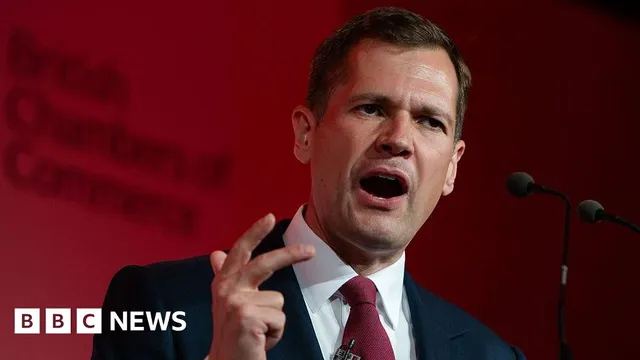
Reform UK has announced a policy that would exclude foreign nationals from claiming most benefits, a move that explicitly includes European Union citizens who hold settled status in the United Kingdom. The proposal is a central component of a broader, 50-page plan to overhaul the British welfare system, which the party claims it has spent six months developing. The party's shadow chancellor, Robert Jenrick, is scheduled to formally unveil the complete welfare plans in a speech on Monday. The announcement has immediately drawn criticism from other major political parties, including Labour, the Conservatives, and the Greens, who have challenged the plan's feasibility, morality, and potential consequences.
Implementing this specific policy would necessitate a renegotiation of the United Kingdom's post-Brexit trade and cooperation agreement with the European Union. This is because the rights of EU nationals with settled status, which include an indefinite right to live, work, study, and access benefits in the UK after a continuous five-year residency, are protected under the current deal. Reform UK has acknowledged this diplomatic hurdle and has factored in a potential retaliatory cost. The party estimates a £500 million expense that could arise if the EU responds by stripping similar rights from British expatriates living in EU countries, who might then return to the UK to claim benefits.
The financial justification for the policy is a central pillar of Reform UK's argument. The party claims that the ban on benefits for foreign nationals would save the government £21 billion annually by the fifth year of its implementation. This figure is part of a larger package of proposed welfare cuts that Reform UK says would save a total of £50 billion per year. The current government's projected welfare spending for the year in Great Britain is £322 billion, representing 10.6% of the country's GDP, with just over half of that sum allocated to pensioners. In a statement, Robert Jenrick framed the policy as a moral imperative, arguing that it is "economically illiterate but plain immoral" to compel British workers to fund benefits for foreigners, adding that the British taxpayer cannot subsidise "everyone on the planet, especially those who have not paid in."
The proposal has been met with strong opposition from across the political spectrum. The Labour Party warned that the plan would plunge the UK back into years of Brexit renegotiations and strip support from potentially millions of people who have lawfully lived, worked, and paid taxes in Britain for many years or decades. Labour also insisted that the "vast majority" of migrants currently have no access to benefits. The Conservative Party, through its shadow pensions secretary Helen Whately, dismissed the plans as "cobbled together" and stated that the public's priority is getting welfare spending under control and stamping out abuse, not reopening Brexit disputes. The Green Party criticized the plan as "cowardly," arguing that the government should instead tax the super-wealthy, including those making large political donations. In addition to the benefits ban for foreign nationals, Reform UK also announced on Saturday a separate plan to replace the Personal Independence Payment (Pip) disability payments system.

Comprehensive report
Full story,
in detail.
Trace the developments that led here, see how the story evolved, and understand the forces and wider context surrounding it.