
Topic overview
Briefly
- In 2024, the city issued an eviction notice for the garden and planned housing on the site.
- Then-Mayor Eric Adams dedicated the garden as parkland in November 2024, blocking the housing plan.
- A settlement this week moved the housing project to Suffolk Street, ending the fight.
What happened
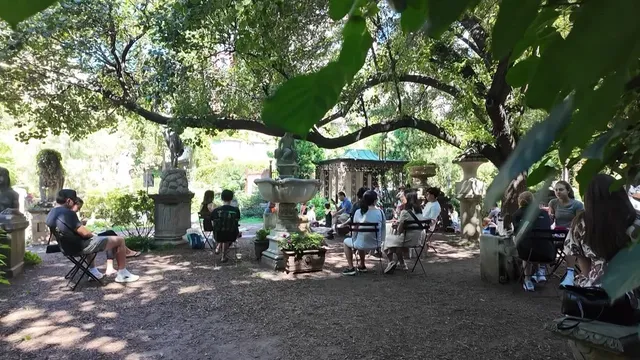
The Elizabeth Street Garden, a beloved community green space in Lower Manhattan, has been saved from demolition after a years-long legal and political battle. In 2024, the New York City Department of Housing Preservation and Development issued an eviction notice for the garden and announced plans to construct housing on the site, including affordable units for seniors. This sparked immediate and fierce opposition from local residents, community activists, and elected officials who valued the garden as a rare open space in a densely built neighborhood.
The conflict escalated when then-Mayor Eric Adams, in a controversial move, signed legislation in November 2024 that permanently dedicated the garden as parkland. This designation effectively blocked the incoming administration of Mayor Zohran Mamdani from proceeding with the housing development on that site. Developers, who had been selected to build the housing, filed a lawsuit against the city, arguing that the parkland dedication was unlawful and that they had a contractual right to develop the property.
After months of legal wrangling, a settlement was reached this week. Under the terms of the agreement, the Mamdani administration has granted developers permission to focus their construction efforts on an alternative site along Suffolk Street on the Lower East Side. That plot of land had originally been reserved for a possible school, but its use has now been reassigned to accommodate the housing project. The timeline for development at the Suffolk Street site remains unclear, and no specific dates have been announced.
Advocates and neighbors gathered at the garden on Saturday to celebrate the resolution. City Council Member Christopher Marte praised the outcome, saying, "Very few times in New York City where everyone wins, and everyone did win." Attorney Norman Siegel, who represented the garden's supporters, emphasized the importance of persistence: "You never give up. You don't give up. You don't give in. You keep coming back because when you know your position is right, you don't concede." One community member noted, "With this garden and with the issue of housing, we proved that you never have to lose something to gain it." Another added, "We never lost sight with what we were doing."
The settlement marks the end of a bitter fight that pitted the need for affordable housing against the preservation of green space. While the garden is saved, the housing project will still move forward, albeit at a different location. The outcome is seen as a rare win-win in New York City's often contentious development landscape.

Comprehensive report
Full story,
in detail.
Trace the developments that led here, see how the story evolved, and understand the forces and wider context surrounding it.