
Topic overview
Briefly
- Carlos the Jackal led a 1975 raid on OPEC headquarters, killing three and taking 62 hostages.
- He was captured in Sudan in 1994 during a medical procedure and flown to France for trial.
- He was convicted of murdering two French police officers and a Lebanese informant, receiving a life.
What happened
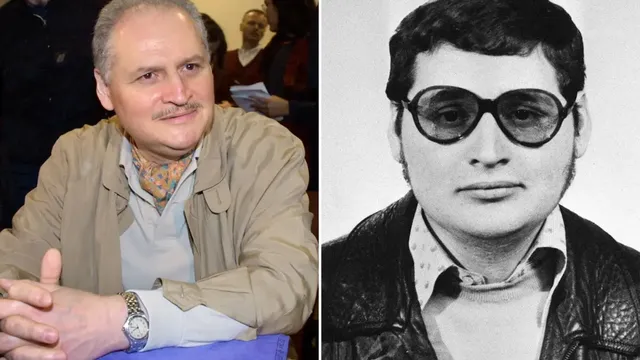
Carlos the Jackal, born Ilich Ramírez Sánchez in Venezuela in 1949, became the world's first super-terrorist, orchestrating attacks that killed dozens and held the world's oil ministers hostage. His father, a wealthy communist lawyer, named him after Vladimir Lenin, and Carlos embraced a life of violence, declaring he would fight with weapons. He trained in Moscow and later joined the Popular Front for the Liberation of Palestine, where he honed his skills. His most infamous act came in 1975 when he led a raid on the OPEC headquarters in Vienna, killing three and taking 62 hostages, including oil ministers from around the world. He released them after a ransom was paid, but the attack cemented his reputation as a ruthless and charismatic figure. Carlos operated across Europe, using a network of girlfriends and safe houses, and was known for his flamboyant style, wearing Savile Row suits and dousing himself in baby powder. He was dubbed 'The Jackal' by the British press after a reporter found a copy of Frederick Forsyth's novel 'The Day of the Jackal' in his apartment. Carlos embraced the nickname, seeing it as glamorous. He continued his violent career, orchestrating bombings and assassinations, including the 1974 attack on a Paris café that killed two and injured dozens. He also plotted to kidnap members of a Saudi construction family, but the plan fell through. In the 1980s, he found refuge in Syria and later Sudan, where he lived under the protection of the government. However, in 1994, Sudanese authorities, under pressure from France and the United States, handed him over. He was captured during a medical procedure for a scrotal operation, while sedated and unarmed, and flown to Paris. There, he was tried and convicted for the murders of two French police officers and a Lebanese informant, receiving a life sentence. In prison, Carlos has shown no remorse, maintaining his revolutionary rhetoric and even complimenting a prison official's hair during a visit in 2025. His story, detailed in Joby Warrick's book 'The Jackal', reveals a criminal narcissist who killed without feeling, yet his legacy as a pioneer of global terrorism remains influential.

Comprehensive report
Full story,
in detail.
Trace the developments that led here, see how the story evolved, and understand the forces and wider context surrounding it.