
Topic overview
Briefly
- DNA analysis of mummies in Chile confirmed the introduction of smallpox by European colonists.
- The study revealed that the disease decimated indigenous populations, with estimates of 95% mortality.
- This research provides crucial evidence of the role of disease in the colonization of the Americas.
What happened
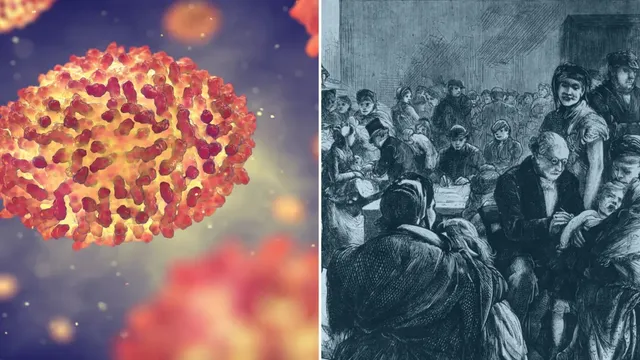
In Chile, researchers conducted a DNA analysis of mummified remains, confirming that European colonists introduced smallpox to the Americas. This study, published in the journal Science, provides the first direct molecular evidence of the disease's arrival through colonization. The analysis focused on two mummies, a woman aged 30 to 35 and a man aged 18 to 20, who were buried during the Spanish colonial period. Their remains were dated to between 1492 and 1631, coinciding with the arrival of Spanish explorers in the region.
The findings revealed traces of ancient smallpox that matched European strains, which had previously been linked to the devastating impact on indigenous populations. Historians estimate that smallpox and other diseases brought by colonists led to the deaths of approximately 95% of Native Americans, significantly altering the demographic landscape of the continent. The researchers revisited bone samples from a repository in Camarones, northern Chile, to uncover this evidence, which also helped clarify the cause of lesions found on the mummies that were once thought to be due to arsenic exposure.
The introduction of smallpox is seen as a critical factor in the conquest of the Americas, as indigenous peoples had no immunity to the virus. The study's author, Shigeki Nakagome from Trinity College Dublin, emphasized that this research substantiates the long-held belief that colonization was accompanied by a biological onslaught against native populations. The exact timeline of the disease's spread remains uncertain, as European settlers arrived in waves, with notable figures like Christopher Columbus and Amerigo Vespucci playing significant roles in the exploration of the Americas.
This research not only sheds light on the historical context of disease transmission but also raises questions about the nature of these epidemics. Whether the spread of smallpox was intentional or accidental remains a topic of debate among historians and biologists. Regardless, the consequences of these epidemics were profound, shaping the course of history in the Americas and facilitating European colonization. Without the devastating impact of smallpox and other diseases, the colonization process would have likely unfolded very differently, highlighting the complex interplay between disease and conquest in the New World.

Comprehensive report
Full story,
in detail.
Trace the developments that led here, see how the story evolved, and understand the forces and wider context surrounding it.