
Topic overview
In brief
- Rice farmers in Senegal are experimenting with growing fish alongside rice to improve agricultural outcomes.
- This integrated farming approach aims to reduce diseases, enhance food security, and increase farmers' income.
- The researchers believe this method could create a sustainable agricultural model that benefits both the environment and local communities.
Summary
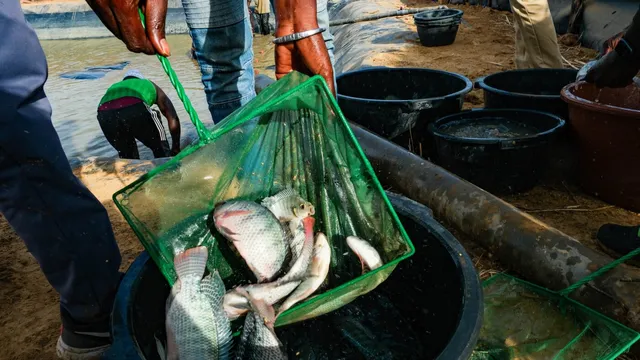
In Senegal, rice farmers are exploring innovative agricultural practices to enhance their productivity and combat challenges such as diseases and food insecurity. A team of researchers has initiated an ambitious experiment aimed at integrating fish farming with rice cultivation. This method not only aims to improve the yield of both crops but also seeks to address the prevalence of debilitating diseases that affect local communities. By combining these two agricultural practices, the researchers hope to create a sustainable model that benefits farmers economically while also contributing to food security in the region.
The integration of fish into rice farming is not a new concept, as both have historically coexisted in various cultures, particularly in Senegal where they are key ingredients in the national dish, thieboudienne. However, the current research aims to formalize and optimize this practice through scientific methods. The researchers are investigating how the presence of fish can help control pests and diseases that typically affect rice crops, thereby reducing the need for chemical pesticides. This could lead to healthier crops and a more sustainable farming environment.