
Topic overview
Briefly
- Ghana's cashew farmers have struggled with surplus cashew apples that spoil quickly and are often wasted.
- Recent initiatives aim to develop systems for collecting and processing cashew apples, creating new income opportunities.
- The government's focus on cashew apple processing could drive economic growth and improve rural livelihoods.
What happened
In Ghana, cashew farmers have long faced challenges with the surplus of cashew apples, which typically spoil quickly and are often left unprocessed. The trees produce significantly more apples than nuts, leading to waste and lost income opportunities for farmers. However, recent initiatives have emerged to change this narrative. Researchers, farmers, and industry leaders are collaborating to develop systems for collecting, processing, and marketing cashew apples, which could provide a new source of income for rural communities. The MA-CASH project aims to maximize gains from cashew production, particularly focusing on youth development and value addition.
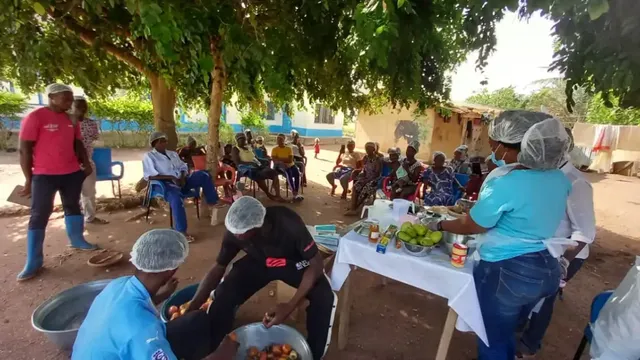
Efforts are underway to reduce the tannin content in cashew apples, making them more palatable for consumption. This research is crucial as it opens the door for creating various products, including cashew beverages, which have strong market potential. Organizations are mobilizing farmers, particularly in the Bono Region, to educate them on processing techniques that can transform cashew apples into juice and other products, moving beyond the traditional focus on nuts. The establishment of processing facilities is seen as vital for enabling farmers to generate additional revenue streams.
The Ghanaian government recognizes the strategic importance of cashew apple processing as part of its broader agricultural transformation agenda. By viewing cashew apples as a valuable economic resource rather than a by-product, the government aims to drive agro-industrialization, create jobs, and improve rural livelihoods. However, the success of these initiatives hinges on building a robust value chain that connects farmers to processing facilities and ultimately to consumers. The challenge remains to convince consumers of the commercial value of a fruit that has historically been treated as waste.
As these efforts progress, the potential for cashew apples to contribute significantly to Ghana's economy is becoming clearer. The government and various stakeholders are optimistic that with the right investments and education, cashew apples can be transformed from a neglected resource into a thriving industry that benefits farmers and rural communities alike.

Comprehensive report
Full story,
in detail.
Trace the developments that led here, see how the story evolved, and understand the forces and wider context surrounding it.