
Topic overview
Briefly
- A new CDC report reveals that Lyme disease is now a significant threat in southern regions, including North Carolina.
- The research found ticks in North Carolina carrying other disease-causing bacteria, indicating a broader risk of tick-borne illnesses.
- Healthcare providers need to be aware of the changing risks and consider Lyme disease in patients with unexplained symptoms.
What happened
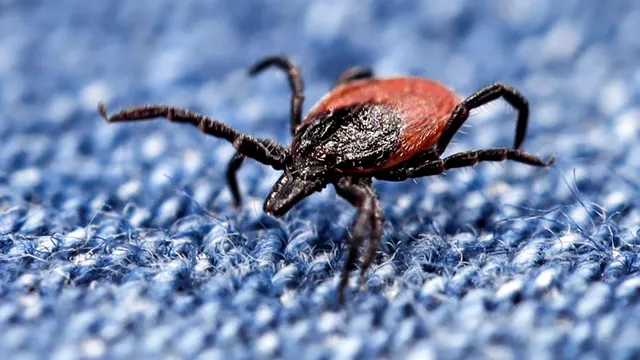
In recent years, the spread of ticks that carry Lyme disease has been documented in areas previously considered low-risk, particularly in North Carolina. A new report from the Centers for Disease Control and Prevention (CDC) highlights that Lyme disease, once thought to be primarily a threat in the Northeast and Upper Midwest, is now emerging as a significant concern in southern regions. This shift in the geographical distribution of ticks is alarming, as it suggests that the risk of Lyme disease is increasing in areas where it was not commonly recognized. The report also indicates the presence of other disease-causing bacteria in North Carolina ticks, which can lead to flu-like symptoms in humans. The findings underscore the need for heightened awareness and improved testing for tick-borne diseases, as many healthcare providers may not consider Lyme disease in patients presenting with unexplained symptoms in these newly affected areas. The research emphasizes the importance of understanding the changing landscape of tick-borne illnesses and the necessity for clinicians to adapt their diagnostic approaches accordingly. As the habitats suitable for ticks expand, the potential for increased human exposure to these diseases grows, necessitating urgent action to address the public health implications of this trend. The study serves as a wake-up call for both medical professionals and the general public to recognize the evolving risks associated with tick-borne diseases.

Comprehensive report
Full story,
in detail.
Trace the developments that led here, see how the story evolved, and understand the forces and wider context surrounding it.