
Topic overview
Briefly
- A U.S. appeals court dismissed a case regarding the deportation of alleged gang members.
- The court's decision was based on the removal of the plaintiffs using alternative legal authorities.
- This ruling leaves unresolved legal questions about the use of the Alien Enemies Act.
What happened
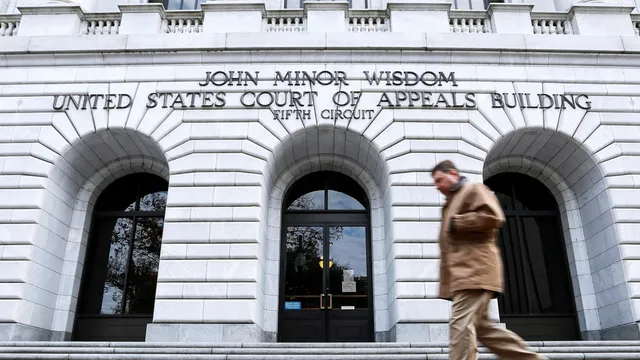
In the United States, a significant legal development occurred when the 5th U.S. Circuit Court of Appeals dismissed a case concerning President Donald Trump's use of the Alien Enemies Act to deport alleged members of the Tren de Aragua gang. This decision was made on a Thursday, following the removal of all three plaintiffs from the country by the Trump administration using alternative legal means. The case had previously garnered attention due to its implications for immigration law and the rights of individuals facing deportation under this obscure law.
The legal battle began last year when the Supreme Court intervened, blocking the immediate deportation of the alleged gang members without allowing them a chance to contest the government's actions. This ruling highlighted the complexities surrounding the use of the Alien Enemies Act, which dates back to the 18th century, and raised questions about the administration's approach to immigration enforcement. After the Supreme Court's decision, the case returned to the appeals court in September, where a three-judge panel initially ruled against Trump. However, the full 17-member court, known for its conservative leanings, agreed to rehear the case at the administration's request.
On the day of the dismissal, Judge Jennifer Walker Elrod commented on the deportations, stating that they rendered the case moot. She noted that the Supreme Court had previously indicated that the government could remove the named petitioners under other legal frameworks, and the plaintiffs did not present any issues regarding their removal. This ruling underscores the diminishing effectiveness of the Trump administration's efforts to utilize the Alien Enemies Act for deportations, as the legal questions surrounding its application remain unresolved.
The dismissal of the case likely delays a definitive ruling from the Supreme Court on the broader implications of the Alien Enemies Act and its use in contemporary immigration policy. As the legal landscape continues to evolve, the administration's strategies and the courts' responses will be closely monitored, particularly in light of ongoing debates about immigration reform and the rights of individuals facing deportation.

Comprehensive report
Full story,
in detail.
Trace the developments that led here, see how the story evolved, and understand the forces and wider context surrounding it.