
Topic overview
In brief
- The Senate passed a short-term funding bill to keep the government funded until December 11.
- The legislation received bipartisan support, reflecting a desire to avoid a government shutdown during the election season.
- The bill now moves to the House, where its fate is uncertain due to differing proposals.
Summary
In the United States, the Senate voted early on a Saturday morning to pass a short-term funding bill aimed at preventing a government shutdown ahead of the midterm elections. The legislation, which received overwhelming bipartisan support with a 90-6 vote, will keep federal agencies funded through December 11. This decision comes after months of political maneuvering and uncertainty regarding government funding, particularly as the September 30 deadline approached. The Senate's action is notable as it occurred well in advance of the fiscal year end, reflecting lawmakers' desire to avoid the political fallout associated with a shutdown during an election season.
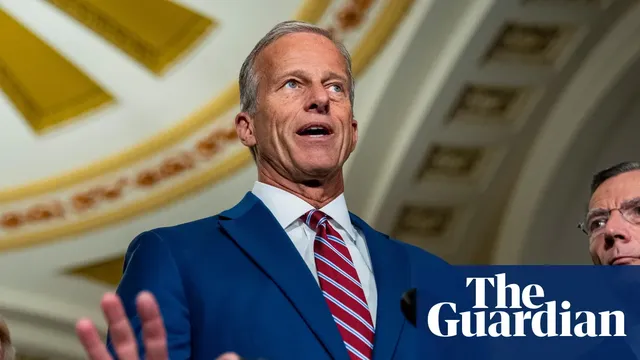
Senate Majority Leader John Thune emphasized the importance of addressing the funding issue before senators returned to their home states for campaign activities. The bill includes provisions that prevent the transfer of funds to the Border Patrol, a point of contention among Democrats who have expressed concerns about the politicization of federal grants. Additionally, the legislation aims to preserve essential programs such as SNAP and WIC, while also addressing disaster relief and national security measures. The Senate's bipartisan approach contrasts with the House's earlier funding proposal, which faced significant opposition from Democrats.