
Topic overview
In brief
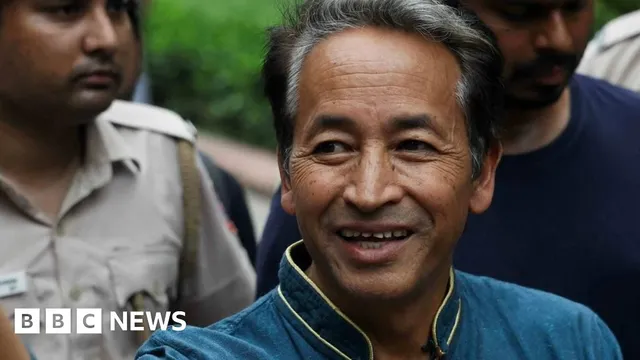
- Sonam Wangchuk's hunger strike led to significant protests against the Indian government.
- The resignation of Education Minister Dharmendra Pradhan followed the escalation of public dissent.
- Wangchuk believes that the current education system needs reform to address high graduate unemployment.
Summary
In recent weeks, India has witnessed significant public dissent against the government, particularly following the leak of exam papers that sparked widespread protests. Sonam Wangchuk, a prominent activist and education specialist, undertook a hunger strike to draw attention to the issues surrounding the education system and the high unemployment rates among graduates. His fast lasted several days and culminated in the resignation of Education Minister Dharmendra Pradhan, indicating a shift in the government's stance. Wangchuk argues that the current examination system is disconnected from the job market, leading to a crisis in employment for graduates. He advocates for fundamental reforms in education that would prioritize hands-on experience and aptitude over traditional exam formats. This movement, referred to as the "cockroach" movement, has galvanized young people in India, giving them a sense of confidence and unity in their ability to effect change. Wangchuk believes that the government's delayed response to the protests has weakened its position and that if the government fails to listen to the people's demands, further protests may arise. The situation reflects deeper issues within India's education system and economy, with graduate unemployment remaining a persistent challenge for the past 25 years. Wangchuk's activism highlights the urgent need for a reevaluation of educational policies to better align with the future job market and the aspirations of young people in India.