
Topic overview
Briefly
- A shipping company launched a regular cargo service through the Arctic in recent days.
- The route can halve transit time for temperature-sensitive goods like EV batteries and solar panels.
- Experts warn Russia is unprepared for an oil spill, which could be an environmental and economic di
What happened
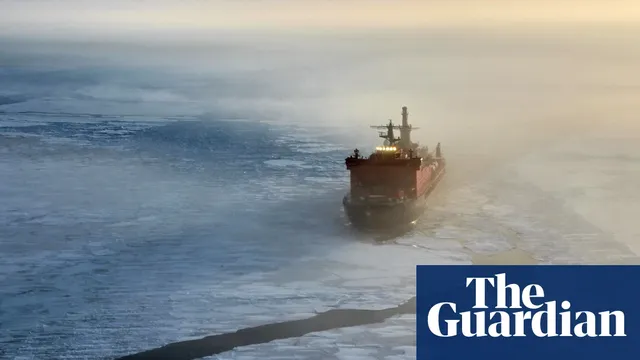
China has taken a significant step in realizing its Arctic ambitions by establishing the first scheduled commercial transit through the northern sea route (NSR). Shipping company Sea Legend launched a regular service in recent days, marking a pivotal moment for the 5,500km channel that traverses frozen seas with the aid of nuclear-powered icebreakers. This development comes as other nations, including Japan, Korea, and India, have also expressed interest in sending cargoes through the NSR, but China is the first to operationalize a consistent schedule. The route offers a dramatically shorter path from China to Europe, potentially halving transit times for certain vessels, which is particularly advantageous for temperature-sensitive cargo such as electric vehicles, lithium batteries, and solar products—sectors where China has become a dominant global exporter. Sea Legend's service will serve as a test case for whether Beijing's long-standing Arctic strategy can evolve into a viable and reliable trade corridor between China and Europe.
The environmental risks associated with the NSR are substantial and could negate any benefits from reduced emissions due to shorter sailing distances. A 2025 report from the Bellona Environmental Foundation highlights the grave dangers of fuel spills in the Arctic, noting that heavy fuel oil (HFO) is thicker than other types, making it extremely difficult to clean up. Oil decomposes more slowly in cold weather and becomes nearly impossible to remove once trapped in ice. The report argues that Russia is completely unprepared to handle such a disaster. The route's remoteness and lack of logistical support mean that specialized recovery teams could take weeks to reach a spill site, increasing the probability of a prolonged machinery breakdown and consequential grounding. Capt. Nitin Chopra, Allianz principal marine risk consultant for Asia, warns that this poses a significant risk of an environmental oil spill in a fragile ecosystem. Additionally, Bellona flags the danger of black carbon emissions from HFO, describing it as one of the most potent absorbers of solar radiation, which could accelerate ice melt.
Political and geopolitical factors further complicate the viability of the NSR. Li Xiaobin, chief operating officer of Sea Legend, stated that the crisis in the Middle East has exposed the vulnerability of the Suez Canal and the Strait of Hormuz to regional turmoil, heightening the need for alternative trade routes. Russian President Vladimir Putin has echoed these sentiments. However, international sanctions imposed on Russia after the invasion of Ukraine could complicate rescue efforts if a vessel encounters trouble, according to Allianz Commercial's 2026 safety and shipping review. Much of the current traffic along the NSR consists of Moscow's shadow fleet—tankers often operating without insurance or proper regulatory oversight, making ad hoc journeys to evade sanctions on Russian oil. A Russian LNG transporter was able to start an early transit through the route in May due to shrinking summer sea ice. Any oil spill from these vessels could therefore be both an environmental and economic disaster, raising questions about whether the NSR can truly serve as a substitute for traditional maritime chokepoints.

Comprehensive report
Full story,
in detail.
Trace the developments that led here, see how the story evolved, and understand the forces and wider context surrounding it.