
Topic overview
In brief
- Abdul El-Sayed's campaign has received over $115,000 from CAIR-affiliated donors.
- The Council on American-Islamic Relations has been designated a terrorist organization by several entities.
- The financial support from CAIR raises questions about El-Sayed's campaign and its implications for the upcoming election.
Summary
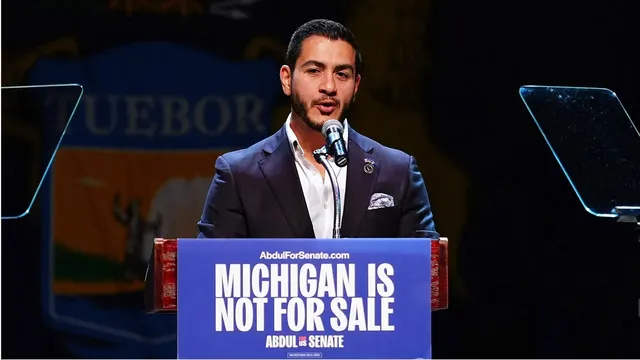
In the United States, Michigan Democratic Senate nominee Abdul El-Sayed's campaign has garnered significant financial support, totaling over $115,000, from individuals associated with the Council on American-Islamic Relations (CAIR). This organization has faced scrutiny and controversy, having been designated a terrorist organization by the United Arab Emirates and labeled as such in states like Florida and Texas. A review by Fox News Digital revealed that El-Sayed accepted donations from at least 41 individuals connected to CAIR, including high-ranking officials within the organization. Notably, the donor list features prominent figures such as CAIR's national Board Chair Manal Fakhoury and national Vice Chair Emad Sabbah, among others. The breadth of support for El-Sayed extends beyond Michigan, with contributions identified from CAIR leaders across various states, including California, Texas, and Georgia. This financial backing raises questions about El-Sayed's campaign and its implications for his political future. El-Sayed has maintained ties with CAIR, having participated in events and received payment for speaking engagements, which has drawn criticism from opponents. The organization itself has faced allegations of terrorism ties, stemming from its designation as an unindicted co-conspirator in the Holy Land Foundation terrorism financing case in 2007. Although CAIR has denied these allegations and condemned antisemitism, the controversy surrounding its connections continues to impact El-Sayed's campaign. As he prepares to face Republican Mike Rogers in the upcoming election, the implications of this financial support and the associated controversies will likely play a significant role in shaping voter perceptions and the overall electoral landscape.