
Topic overview
In brief
- Britain is experiencing extreme weather conditions, leading to a significant reduction in crop yields.
- July was the driest month ever recorded in southern England, with many areas receiving almost no rainfall.
- Farmers are warning that 2026 will be the worst harvest on record, raising concerns about the future of agriculture.
Summary
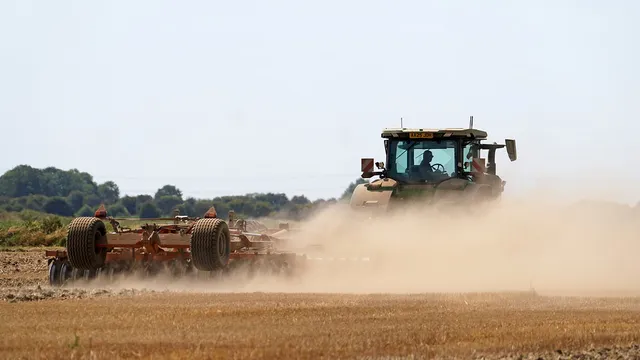
In 2026, Britain is facing an unprecedented agricultural crisis as farmers report that the ongoing extreme weather conditions have led to the worst harvest on record. The exceptionally hot and dry spring and summer have resulted in a significant reduction in the country's cereals and oilseed harvest, with estimates suggesting a decrease of 2.5 million tonnes compared to earlier forecasts. This alarming situation has been exacerbated by a series of heatwaves, with five already recorded across May, June, and July, and a sixth predicted to begin shortly. The impact of these heatwaves has been felt most acutely in central and southern England, where rainfall has been scarce, leading to drought conditions that have affected crop yields and raised concerns about the future of farming in the region.
The dry conditions have been particularly severe, with July being recorded as the driest month ever in southern England. Many areas experienced almost no rainfall, with 19 counties reporting 1mm or less throughout the entire month. The overall rainfall for England was just a tenth of the average, while Wales saw only 9 percent of its typical rainfall. This drastic reduction in precipitation has not only hindered current crop production but has also raised fears about the ability of farmers to prepare for future planting seasons. The situation has led to widespread concern among farmers, many of whom are now acknowledging the reality of climate change and its impact on their livelihoods.