
Topic overview
Briefly
- Maharashtra launched the Mukhyamantri Majhi Ladki Bahin Yojana in June 2024, providing monthly payments to eligible women.
- The scheme has faced scrutiny due to a reported budget overspend of 35.41 billion rupees and the removal of over nine million beneficiaries.
- Despite its challenges, the scheme has been recognized for its positive impact on women's financial independence.
What happened
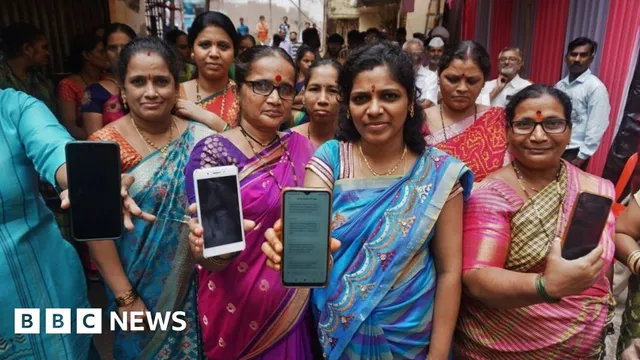
In June 2024, Maharashtra launched a significant cash-transfer scheme aimed at empowering women by providing monthly payments of 1,500 rupees. This initiative, known as the Mukhyamantri Majhi Ladki Bahin Yojana, was introduced just before the state's elections and quickly became a vital financial resource for millions of women. However, the scheme has recently come under scrutiny due to allegations of budget mismanagement. The national auditor reported that the Women and Child Development Department exceeded its authorized budget by 35.41 billion rupees, spending a total of 332.37 billion rupees in its first financial year.
The implementation of the scheme has raised concerns, particularly regarding the verification process for beneficiaries. A government verification drive led to the removal of over nine million beneficiaries, primarily due to incomplete identity checks or ineligibility. This has sparked debates about the efficiency and effectiveness of the program, which was initially designed to enhance women's financial independence and assist families with daily expenses. Despite the challenges, the scheme has been praised for its positive impact on women with low and irregular incomes.
Economist Neeraj Hatekar highlighted that the monthly payment of 1,500 rupees is significant for women in Maharashtra, who typically earn around 300 rupees a day. Even with consistent work, their monthly earnings range from 6,000 to 7,000 rupees, making the cash transfer a crucial supplement. However, concerns about the long-term financial implications for the state remain, as the overspending could affect future budgets and programs.
The Women and Child Development Minister Aditi Tatkare's office has acknowledged the ongoing verification efforts and the recovery of ineligible payments but has not addressed the auditor's findings directly. The political timing of the scheme's launch has also been scrutinized, as it coincided with the upcoming elections, raising questions about the motivations behind its rapid rollout. As the state continues to navigate these challenges, the future of the Ladki Bahin scheme remains uncertain.

Comprehensive report
Full story,
in detail.
Trace the developments that led here, see how the story evolved, and understand the forces and wider context surrounding it.