
Topic overview
Briefly
- Harrison Sharples, a medical student at the University of St Andrews, faced allegations of AI usage in his dissertation.
- After an initial hearing upheld the allegations, he appealed the decision due to procedural issues.
- The university later exonerated him, allowing him to receive full marks and ensuring no impact on his professional record.
What happened
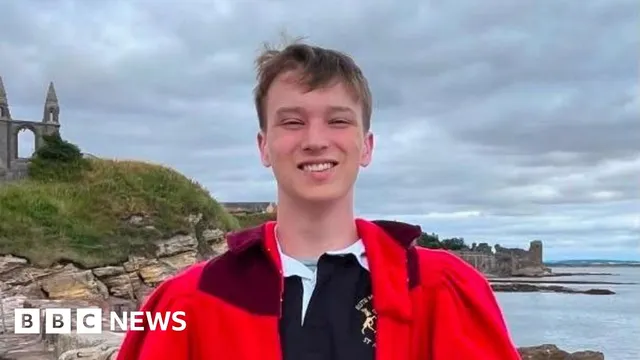
In August 2025, Harrison Sharples, a medical student at the University of St Andrews in Scotland, faced an academic misconduct alert regarding his dissertation. The alert claimed that his work was flagged as AI-generated, which left him shocked and confused, as he had written the dissertation himself without any assistance from AI tools. Harrison had ample time to complete the assignment and enjoyed the writing process, making the allegations particularly distressing for him.
Following the alert, he was scheduled for a virtual hearing with a panel from the university's school of medicine to defend his case. However, on the day of the hearing, he experienced a significant setback when the link to join the virtual meeting did not arrive on time. This delay heightened his anxiety, as he felt this was his only opportunity to prove his innocence. During the hearing, he was unexpectedly asked to define medical terms used in his dissertation, which added to his nervousness.
After the initial hearing, the university upheld the allegations of AI usage, which was a devastating blow for Harrison. He was unaware that a permanent strike on his record could affect his future career as a doctor, prompting him to appeal the decision. The university accepted his appeal, acknowledging that the late arrival of the link had impacted his ability to present his case effectively. In the subsequent hearing, he was able to articulate his points more clearly, leading to a favorable outcome.
Ultimately, the university decided not to uphold the allegations, and Harrison received full marks on his dissertation. The case did not affect his professional record, but the stress and uncertainty surrounding the allegations took a toll on his studies. He had to defer his exams for a semester, which delayed his graduation. Harrison expressed that the entire experience consumed him with worry, making it difficult to focus on anything else during that semester.

Comprehensive report
Full story,
in detail.
Trace the developments that led here, see how the story evolved, and understand the forces and wider context surrounding it.