
Topic overview
In brief
- The U.S. military has inflicted significant damage on Iran's military assets, including air defenses and naval capabilities.
- Iran has maintained substantial military capabilities, allowing it to continue its operations against U.S. interests.
- The ongoing conflict has led to rising gasoline prices in the U.S. and strained diplomatic relations with allies.
Summary
The ongoing conflict involving the United States and Iran has seen significant developments since the war began in late February 2026. The U.S. has launched military operations aimed at neutralizing Iran's nuclear capabilities and diminishing its military strength. Despite these efforts, the Iranian regime has managed to maintain substantial military capabilities, including missile and drone technology, which it has utilized in attacks against U.S. bases and allies in the region. Notably, a missile attack occurred in July against a U.S. base in Jordan, demonstrating Iran's continued operational capacity.
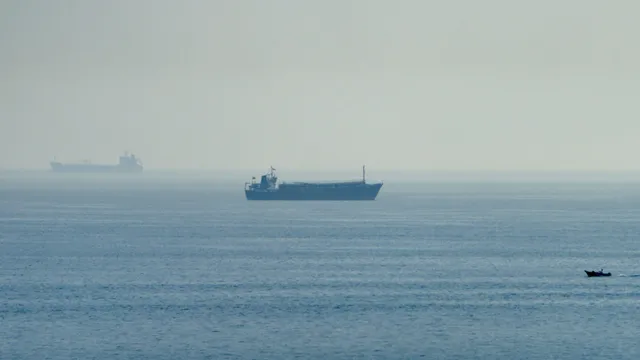
As the conflict escalates, tensions have also risen in the Persian Gulf, particularly around the strategic Strait of Hormuz, which Iran has increasingly asserted control over. This has led to warnings from various nations, as the strait is a critical passage for global oil shipments. The U.S. military's actions have resulted in higher gasoline prices for American consumers, with prices rising by as much as $1.55 since the onset of the war.