
Topic overview
Briefly
- Miami hit 96°F on Friday, breaking the 1909 record of 95°F.
- Heat advisory issued for Broward, Miami-Dade, and inland Monroe counties from 11 a.m. to 7 p.m.
- Saharan Dust is keeping conditions dry and hot, with rain chances rising midweek.
What happened
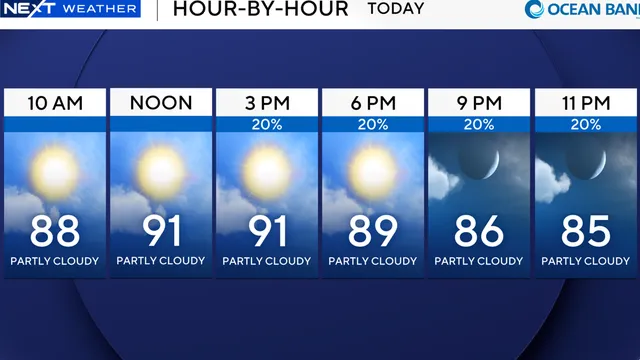
South Florida is enduring a prolonged heat wave, with temperatures reaching the low 90s on Saturday, August 15, 2026, and humidity pushing the heat index above 100 degrees from Pompano Beach to Key West. The National Weather Service has issued a heat advisory for Broward, Miami-Dade, and inland Monroe counties, effective from 11 a.m. to 7 p.m. The advisory warns of significant heat-related health risks, including heat exhaustion and heat stroke, for residents and visitors alike.
The extreme heat is not a one-day event. On Friday, Miami recorded a high of 96 degrees, breaking the previous record of 95 degrees set in 1909. This record-breaking temperature underscores the intensity of the current heat wave, which is being exacerbated by the presence of Saharan Dust. The dust, which has traveled across the Atlantic from Africa, is squeezing moisture out of the atmosphere, leading to drier conditions and higher temperatures. This phenomenon is expected to persist through the middle of the week, keeping real temperatures in the mid-90s and limiting the chance of rain.
Despite the dry conditions, there is a small chance of spotty showers in the late afternoon and early evening on Saturday. However, these showers are unlikely to provide significant relief. The heat and dry conditions are forecast to continue for the next seven days, with rain chances increasing only by the middle of the week. This prolonged heat wave poses a serious public health concern, and officials are urging residents to stay hydrated, avoid outdoor activities during peak heat hours, and check on vulnerable populations such as the elderly and those without air conditioning.
The combination of high temperatures and humidity creates dangerous conditions, and the heat advisory is a clear signal that residents should take precautions. The record-breaking heat in Miami is a stark reminder of the impacts of climate change and the increasing frequency of extreme weather events. As the week progresses, the Saharan Dust is expected to gradually dissipate, allowing for more moisture and potentially cooler temperatures, but until then, South Florida will continue to swelter.

Comprehensive report
Full story,
in detail.
Trace the developments that led here, see how the story evolved, and understand the forces and wider context surrounding it.