
Topic overview
In brief
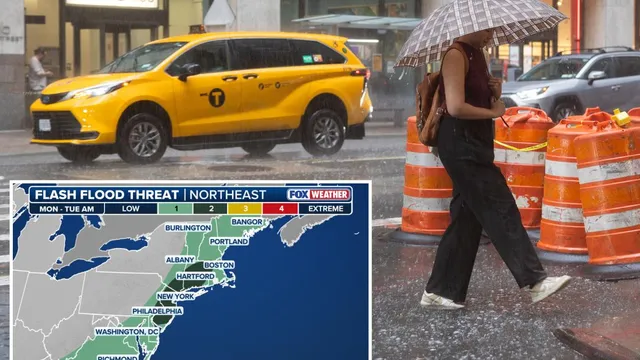
- New York City was under a flash flood warning due to heavy rain during the morning commute.
- Rainfall rates could reach up to 2 inches per hour, leading to flooding in various areas.
- Officials advised residents to take precautions and be aware of potential hazards on the roads.
Summary
On August 3, 2026, New York City was hit by a significant downpour during the morning commute, prompting officials to issue a flash flood warning. The National Weather Service forecast indicated that the city could receive rain at rates of up to 2 inches per hour, leading to potential flooding in various areas, including highways, streets, and underpasses. By 7 a.m., an inch of rain had already fallen, and while the heaviest rain was expected to clear by 9 a.m., meteorologists warned of possible thunderstorms later in the day, which could disrupt the evening commute.
AccuWeather senior meteorologist Tyler Roys noted that while the city was experiencing a wet spell, such weather patterns are not unusual for mid-summer. He explained that the atmosphere was saturated with moisture, making it likely for heavy showers to occur. Roys also mentioned that there could be a brief respite from the rain in the early afternoon, but a line of thunderstorms was anticipated between 3 and 7 p.m. This situation was reminiscent of similar weather events that had occurred the previous week, indicating a pattern of persistent wet weather in the region.