
Topic overview
Briefly
- Taliban celebrated fifth anniversary of return to power in Afghanistan on August 15, 2026.
- UN officials and rights groups condemned the anniversary, citing severe restrictions on women and a
- Taliban touted security and infrastructure, but critics highlight economic decline and international
What happened
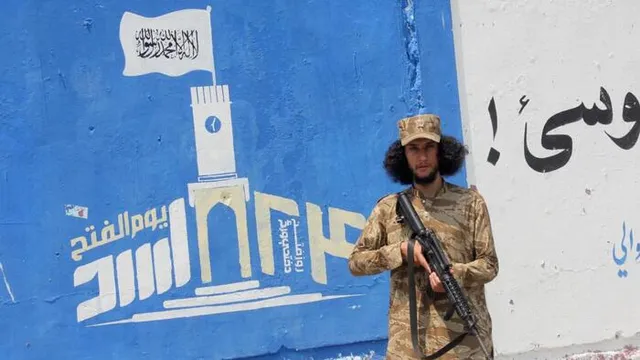
On August 15, 2026, the Taliban government in Afghanistan marked the fifth anniversary of its return to power, a date that coincides with the chaotic withdrawal of US-led forces in 2021. The celebrations, held under tight security in Kabul and across provinces, featured convoys of vehicles, Taliban flags, and murals declaring "Independence is a sign of dignity, pride and identity." Officials, including Deputy Prime Minister Abdul Salam Hanafi, touted achievements such as improved security, infrastructure projects, and an end to decades of conflict. However, the anniversary was overshadowed by international condemnation and warnings of a deepening human rights crisis, particularly for women and girls.
The Taliban's five years in power have been marked by a series of restrictive decrees. Women have been barred from public spaces like parks and gyms, from most jobs, and from traveling without a male guardian. Girls over the age of 12 are prohibited from attending school, and higher education for women is banned. According to UNESCO, approximately 2.4 million girls have been excluded from secondary education. The UN special rapporteur, Richard Bennett, stated that the situation amounts to "the crime against humanity of gender persecution," and the UN mission in Afghanistan (UNAMA) has documented arbitrary arrests, torture, extrajudicial killings, and persecution of minorities. The UN Women agency described the restrictions as the harshest in the world, warning that the lack of female teachers, doctors, and nurses threatens Afghanistan's social and economic foundations.
Economically, the Taliban government faces significant challenges. GDP per capita is declining, partly due to the influx of over six million Afghans from neighboring Iran and Pakistan in three years. The World Bank estimated real growth at 4.8%, but international aid cuts and a border conflict with Pakistan have exacerbated the humanitarian crisis. The UN World Food Program reported that child malnutrition has reached critical levels in a third of Afghanistan's provinces. While the Taliban has forged ties with some countries, including in Europe, its government is only recognized by Russia. Relations with Pakistan have plummeted, and the two countries engaged in conflict earlier in 2026.
Despite the Taliban's claims of stability, critics point to the "suffocating restrictions" on daily life and the alienation of the population. The Committee to Protect Journalists criticized the "brutal repression of the press," with media workers surveilled, detained, beaten, censored, or driven into exile. The Taliban's leadership, under Supreme Leader Hibatullah Akhundzada, has also sidelined prominent figures within the movement, raising questions about the future direction of the government. As the Taliban consolidates control, the fundamental question remains: what kind of state does it intend to build? The international community, including Ireland's foreign minister Helen McEntee, has called for the full reversal of discriminatory policies, but the Taliban shows no signs of change. The anniversary serves as a stark reminder of the gap between the Taliban's narrative of freedom and the reality of a population enduring severe human rights abuses.

Comprehensive report
Full story,
in detail.
Trace the developments that led here, see how the story evolved, and understand the forces and wider context surrounding it.