
Topic overview
In brief
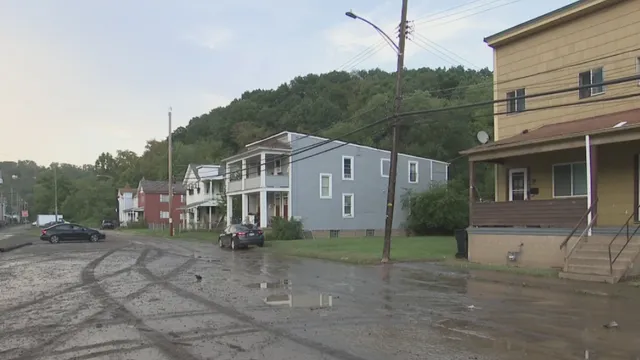
- On August 7, 2026, Turtle Creek experienced rapid flash flooding that left streets covered in mud.
- Residents reported that the flooding occurred suddenly, with water levels rising dramatically in a short time.
- The community is now facing cleanup challenges and ongoing concerns about creek maintenance to prevent future flooding.
Summary
On August 7, 2026, Turtle Creek, a borough in Pennsylvania, experienced a sudden and severe flash flooding event that caught residents off guard. The flooding was characterized by water levels rising four feet in just 15 minutes, leading to significant debris and mud accumulation on the streets. Local residents reported that the flooding seemed to come out of nowhere, as there was no heavy rainfall preceding the event. The mayor noted that the water was so deep it reached over the hood of his truck, highlighting the severity of the situation. Fortunately, despite the rapid rise in water levels, no residents required rescue, as the water receded quickly after the initial surge. This quick receding was a relief for many, as it prevented further damage to homes and properties. However, the aftermath left residents with the daunting task of cleaning up the muddy mess left behind. Neighbors expressed their frustration over the cleanup process, questioning where to dispose of the debris and mud. The flooding was not an isolated incident; many residents have lived in Turtle Creek for decades and are familiar with the recurring flooding issues in the area. One resident, Lantzy, has been advocating for the county to clean the nearby Thompson Run creek for years, believing that the lack of maintenance has contributed to the flooding problems. He mentioned that there are large pieces of trees obstructing the creek, which could exacerbate flooding during future rain events. The ongoing debate about responsibility for creek maintenance between the county and the borough has left residents feeling helpless, as neither party seems willing to take action. Lantzy's concerns reflect a broader issue of infrastructure maintenance and the need for proactive measures to prevent future flooding disasters in Turtle Creek.