
Topic overview
Briefly
- Republicans are optimistic about winning a statewide race in Minnesota for the first time since 2006
- Tafoya supports first-trimester abortions, a rare position for a Republican Senate candidate
- Flanagan received nearly double the primary votes, highlighting a major GOP turnout challenge
What happened
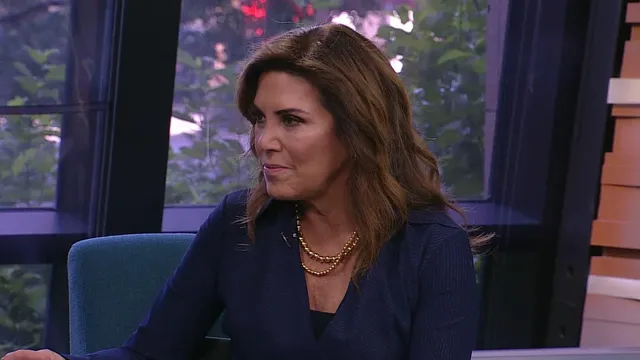
In the aftermath of Minnesota's primary election, the state's Republican party is experiencing a surge of optimism not felt in years. Conservative commentator Andy Brehm captured this sentiment by declaring that Minnesota Republicans had finally nominated winners. Central to this renewed hope is Michele Tafoya, the GOP nominee for the U.S. Senate. Tafoya, a former sports broadcaster for WCCO-TV and network television, has transitioned into a political candidate with a platform that distinguishes her from many within her party. Her campaign is built on a promise of independence, explicitly stating she is not beholden to party bosses, lobbyists, special interests, or even a president. This declaration of autonomy is a direct response to her opponent, Lieutenant Governor Peggy Flanagan, who has attempted to frame Tafoya as a loyalist to former President Trump. Tafoya has countered this narrative by publicly stating in 2024 that Trump should not run for office again, a position that puts her at odds with a significant portion of the Republican base.
A key policy difference that sets Tafoya apart is her stance on abortion. She is one of the few pro-choice Republicans seeking a Senate seat, supporting a woman's right to an abortion through the first trimester. This position is a notable divergence from the traditional Republican platform and could be a strategic move to appeal to moderate and independent voters in Minnesota. The campaign has been heavily focused on the issue of fraud within the state, which Tafoya has labeled a national embarrassment. She has directly criticized Lieutenant Governor Flanagan for not taking responsibility for the crisis, accusing her of attempting to shift all blame onto Governor Tim Walz, despite having served alongside him for eight years. This line of attack seeks to tie Flanagan to the administration's perceived failures and undermine her credibility as a leader.
The political discourse between the two candidates has also involved personal and emotional topics. Flanagan has attacked Tafoya for a past comment in which Tafoya stated that Immigration and Customs Enforcement (ICE) treats children very, very well. Tafoya has clarified that her remark was specifically about a single incident involving a young boy named Liam Ramos, whom she believes was treated kindly and humanely. She accuses Flanagan of taking her words out of context and using a broad brush to misrepresent her views. This exchange highlights the deeply polarized nature of the campaign and the tactics being used to sway voters. The primary election results provide a clear picture of the challenge ahead for Tafoya. While she secured a decisive victory in the Republican primary with 211,000 votes, Flanagan garnered nearly double that number, with 411,000 votes in the Democratic primary. This significant gap in voter turnout underscores the fundamental question of the November election: whether candidates like Tafoya can energize and mobilize a larger Republican electorate to overcome the Democratic advantage.
The broader implications of this race extend beyond the candidates themselves. A victory for Tafoya would represent the first statewide win for a Minnesota Republican since 2006, marking a monumental shift in the state's political landscape. The campaign is a test case for whether a Republican candidate with moderate stances on social issues like abortion and a message of independence from the party's more controversial figures can succeed in a state that has trended Democratic in recent cycles. The outcome will depend on Tafoya's ability to build a coalition that includes traditional Republicans, independents, and perhaps even some disaffected Democrats, all while navigating the attacks from Flanagan and the inherent challenges of running against a well-funded incumbent lieutenant governor. The focus on the state's fraud crisis and the attempt to link Flanagan to the current administration's record are central to this strategy, aiming to make the election a referendum on the status quo rather than a purely partisan choice.

Comprehensive report
Full story,
in detail.
Trace the developments that led here, see how the story evolved, and understand the forces and wider context surrounding it.