
Topic overview
Briefly
- Loggerhead turtles laid 13,770 nests in Florida this season, a record high.
- The record is attributed to decades of ESA protections and favorable conditions.
- Experts warn that the recent ESA rollback could reverse the recovery.
What happened
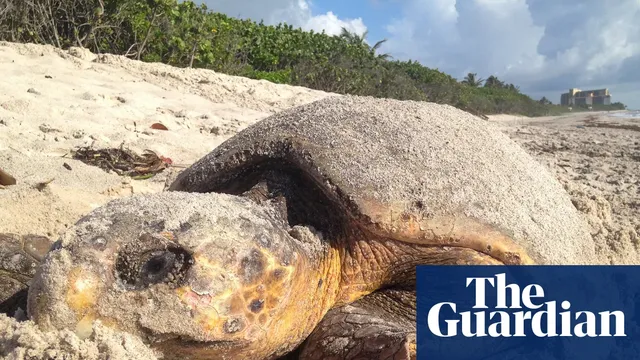
Wildlife groups in Florida are celebrating record numbers of sea turtle nests this season, but experts warn that the recent rollback of the Endangered Species Act (ESA) by the Trump administration could reverse decades of recovery. With more than two months of the summer nesting season still to run, loggerhead turtles have already laid 13,770 nests along an 8.5-mile stretch of shoreline monitored by the Loggerhead Marinelife Center in Juno Beach, on Florida's Atlantic coast. This number is hundreds more than recorded in any previous year. The ESA, passed in 1973, enshrined protections that are paying dividends now because sea turtle hatchlings take years to decades to reach reproductive age. David Godfrey, executive director of the Sea Turtle Conservancy, an advocacy group supportive of a lawsuit against the ESA rollback, said, "What we're seeing is the result of several decades of sustained protection of these species under the ESA and various other measures to protect their habitat in different ways." He noted that sea turtles take 20 to 30 years to reach maturity and return to nest on the beaches where they were first protected. The ESA is credited with safeguarding more than 1,700 species and their habitats, preventing 99% of those listed from going extinct. Godfrey emphasized that sea turtles are still here because of the act and are growing in numbers, though not yet at levels to be removed from the endangered list. Justin Perrault, vice-president of research at Loggerhead Marinelife Center, attributed this year's elevated nesting figures to years of protections, favorable environmental conditions, reduced pollution, and education around marine conservation. He said, "It's incredibly exciting and encouraging because the world needs some good nature stories, and it's important to celebrate that we are doing some things well." Perrault explained that mother sea turtles lay multiple nests per season, which is energetically costly, and they usually take two to four years off between nesting seasons. The record numbers are seen across loggerheads, green turtles, olive ridleys, and hawksbills. The Loggerhead Marinelife Center has also implemented a pier initiative and established protection zones to help sea turtles. Tovar, a representative from the center, mentioned other conservation projects under way, including water quality, habitat restoration, and outreach and advocacy, to find connections between water quality, human health, and sea turtle health. Despite the ESA rollback, the center supports the act and believes in its protections. Perrault also pointed to Florida state regulations still in place that are beneficial. He said, "We're starting to see record years more often, and that's incredibly encouraging." However, the rollback of the ESA could threaten future recovery, as the act has been crucial in protecting sea turtles from extinction. The lawsuit against the rollback is supported by the Sea Turtle Conservancy, though it is not a plaintiff. The record nesting numbers are a positive sign, but experts caution that without continued protections, the recovery could stall.

Comprehensive report
Full story,
in detail.
Trace the developments that led here, see how the story evolved, and understand the forces and wider context surrounding it.