
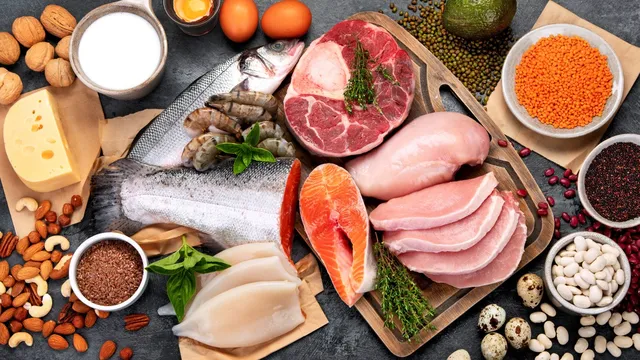
Topic overview
In brief
- A scientific review published in July 2023 examined over 350 studies on protein restriction and aging.
- The review suggests that reducing protein intake may improve metabolism and activate pathways linked to longevity.
- Many sedentary adults may be consuming more protein than necessary, which could have negative health consequences.
Summary
In the United States, a recent scientific review published on July 31, 2023, in the journal Cell Press Blue has raised concerns about the health implications of high-protein diets for sedentary adults. The review analyzed over 350 studies on protein restriction and aging across various organisms, including yeast, insects, and rodents. The authors concluded that reducing protein intake or limiting specific amino acids could enhance metabolism, decrease cellular damage, and activate biological pathways associated with longevity. This research comes at a time when federal dietary guidelines are encouraging higher protein consumption among Americans.
Health and Human Services Secretary Robert F. Kennedy Jr. has emphasized the importance of protein in the diet, suggesting that adults should consume between 1.2 to 1.6 grams of protein per kilogram of body weight daily, which is significantly higher than the previous recommendation of 0.8 grams. While protein is essential for muscle growth, tissue repair, and recovery, the review indicates that sedentary individuals may be consuming excessive amounts of protein, which could lead to negative health outcomes. Dudley Lamming, a co-author of the paper and a professor at the University of Wisconsin–Madison, highlighted that the benefits of protein are clear for active individuals, but many people are likely overconsuming it without realizing the potential consequences.