
Topic overview
Briefly
- Several companies launched humanoid robot pilot programs in the Bay Area, including Tau Robotics for
- San Mateo County Board of Supervisors passed a resolution to create a permitting process for commerc
- Local firefighters and labor representatives supported regulation, citing battery fire risks and pot
What happened
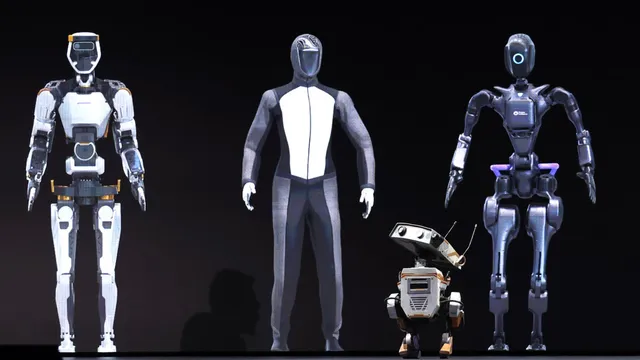
On August 11, 2026, the San Mateo County Board of Supervisors took a pioneering step in technology regulation by passing a resolution that directs county legal and administrative staff to develop a comprehensive ordinance for commercial humanoid robots. The resolution, sponsored by Supervisor Ray Mueller, specifically targets untethered autonomous or semi-autonomous humanoid robots, referred to as mobile humanoid robots, that would operate in restaurants, retail stores, and other business establishments. This legislative action positions San Mateo County as potentially the first county in California to establish such regulations, filling a notable gap in state law which currently regulates autonomous vehicles but does not address the commercial deployment of humanoid robots.
The resolution outlines several key regulatory components that the forthcoming ordinance should include. A central element is the creation of a comprehensive permitting process that would govern how these robots are commercially deployed and operated within county jurisdiction. The board directed staff to consider implementing an annual fee structure for businesses utilizing these robots, with the generated revenue specifically earmarked for hazardous materials handling and firefighting equipment. This funding mechanism addresses concerns raised by local first responders about the risks associated with lithium-ion batteries that power these machines. Rich Seguine, vice president of Local 2400 representing San Mateo County firefighters, highlighted the increasing frequency of lithium-ion battery fires caused by thermal runaway and emphasized that dedicated funding could enable the purchase of specialized equipment necessary to combat such incidents.
Safety requirements form another critical pillar of the proposed regulations. The resolution calls for mandating accessible emergency kill switches on all commercial humanoid robots, ensuring that they can be immediately deactivated in dangerous situations. Additionally, the ordinance would require that manufacturers maintain clean safety records and that a trained human supervisor be present onsite whenever these robots are operating. These provisions reflect a cautious approach to emerging technology, prioritizing public safety while acknowledging the inevitability of robotic integration into commercial spaces. The resolution's framework aims to establish safety standards before widespread deployment occurs, rather than reacting to incidents after the fact.
The economic and labor implications of humanoid robot deployment received significant attention during the board meeting. Julie Lind, representing the San Mateo Labor Council, articulated concerns about job displacement, stating that businesses must understand and account for the human consequences of deploying this technology, including potential job losses. She emphasized that technological progress and protecting working people should not be viewed as competing goals. The resolution itself acknowledges this tension, with the county memo stating that a permitting framework would encourage responsible integration of emerging technologies in a manner that serves the public interest. Several companies have already initiated pilot programs in the region, with Tau Robotics offering cleaning services to San Francisco residents at thirty dollars per hour through a program launched on July 28, 2026. These robots operate through a combination of human remote operation and artificial intelligence. The area has already seen non-humanoid robotic deployments, including Cafe X robotic coffee bar at San Francisco International Airport, Artly Coffee in Stonestown Galleria, and Coco Robotics autonomous sidewalk delivery services, indicating a growing trend toward automation in commercial settings.

Comprehensive report
Full story,
in detail.
Trace the developments that led here, see how the story evolved, and understand the forces and wider context surrounding it.