
Topic overview
Briefly
- Christopher Luxon faced a leadership confidence vote from his party caucus in Wellington.
- His popularity has declined in recent polls, with a significant drop noted.
- Luxon must now prove his leadership capabilities to ensure party unity and electoral success.
What happened
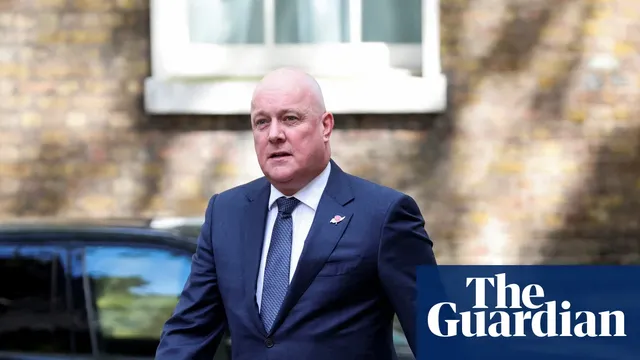
In New Zealand, Prime Minister Christopher Luxon faced a significant leadership challenge just 87 days before the general election. On Wednesday, following a three-hour caucus meeting in Wellington, Luxon announced that he had the full support of his party after a confidence vote was held. This was the second time Luxon had to confront leadership speculation in four months, with the first confidence vote occurring in April. The urgency of the recent meeting was prompted by rising rumors of a potential coup against him, which had intensified over the preceding days.
Despite Luxon's assertion of unity within the National Party, the atmosphere surrounding his leadership has been fraught with tension. His popularity has been waning in opinion polls, with a recent survey indicating a drop to 17%, although he still outperformed Labour leader Chris Hipkins, who garnered 15%. The National Party has struggled with public perception, particularly due to sluggish economic growth and Luxon's recent missteps, including controversial comments made to small business leaders. These remarks, which suggested that they held a 'negative view' of the economy, led to backlash and required Luxon to apologize to his party members.
Political commentators have noted that the National Party is experiencing internal divisions, which have raised questions about its ability to present a united front to voters. Green Party co-leader Chlöe Swarbrick criticized the National Party for focusing on leadership disputes rather than addressing the needs of the public. Analysts have suggested that the decision to retain Luxon as leader reflects a risk assessment within the party, weighing the potential instability of a new leader against the known challenges of Luxon's leadership.
Moving forward, Luxon must demonstrate his capability to navigate the political landscape effectively and avoid further missteps that could jeopardize his position and the party's chances in the upcoming election. The National Party's message of providing a 'strong stable government' is at stake, and Luxon's leadership will be closely scrutinized as the election approaches.

Comprehensive report
Full story,
in detail.
Trace the developments that led here, see how the story evolved, and understand the forces and wider context surrounding it.