
Topic overview
In brief
- President Trump signed two executive orders to limit birthright citizenship and address birth tourism.
- The orders expand categories of individuals ineligible for citizenship and aim to deny visas for birth tourism.
- These actions reflect the administration's ongoing efforts to reform immigration policies despite previous legal setbacks.
Summary
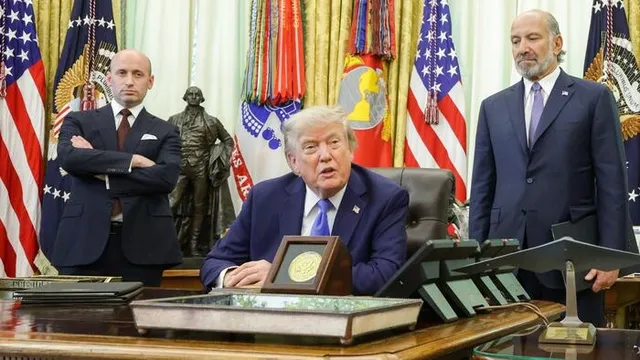
In the United States, President Donald Trump signed two executive orders on immigration aimed at limiting birthright citizenship and curbing birth tourism. This action took place on a Thursday, following a Supreme Court ruling that blocked his previous attempt to restrict automatic citizenship under the Fourteenth Amendment. The new directives are designed to narrow eligibility for citizenship for certain categories of individuals, including children of foreign diplomats and those considered 'alien enemies.' Trump expressed his belief that these actions would be constitutional and necessary to address what he described as unfair practices surrounding birthright citizenship.
The first executive order expands the categories of individuals deemed ineligible for birthright citizenship, targeting those associated with foreign terrorist organizations and individuals lobbying for foreign governments. The second order specifically addresses birth tourism, which involves foreign nationals traveling to the U.S. to give birth, thereby granting their children automatic citizenship. Trump stated that the administration would deny visas to individuals seeking to enter the U.S. for this purpose, labeling birth tourism as a fraudulent practice against the American system.