
Topic overview
Briefly
- West Nile virus cases peak in late summer, particularly from late August to early September.
- The virus is primarily transmitted through infected mosquito bites, with around 2,000 cases reported annually in the U.S.
- Preventive measures are crucial as there is no vaccine or specific treatment available for West Nile virus.
What happened
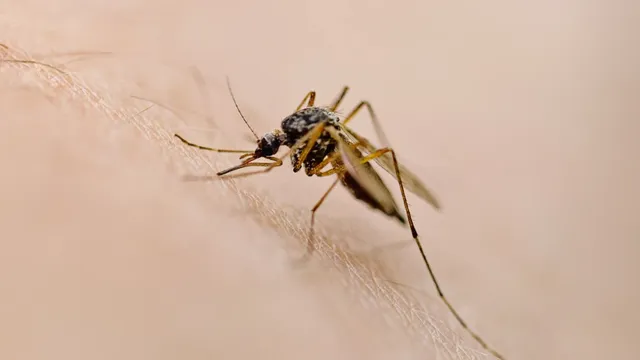
In the United States, West Nile virus cases typically peak in late summer, particularly from late August to early September. This seasonal pattern is supported by data from the Centers for Disease Control and Prevention (CDC), which indicates that around 2,000 people are diagnosed with the virus each year. However, this number is likely an undercount, as many individuals infected with the virus do not exhibit symptoms or may misattribute mild symptoms to other illnesses. The virus is primarily transmitted through the bite of an infected mosquito, making mosquito control and prevention crucial during peak seasons.
While mosquito bites are the most common transmission route, there are rare instances where West Nile virus can spread through blood transfusions, organ transplants, or from a mother to her baby during pregnancy, delivery, or breastfeeding. This highlights the importance of understanding the various ways the virus can be transmitted, as well as the need for public awareness and preventive measures. The CDC emphasizes that there is currently no vaccine or specific treatment for West Nile virus, which further underscores the necessity of prevention strategies.
Symptoms of West Nile virus can vary, with most infected individuals remaining asymptomatic. However, approximately 20 percent of those infected may develop symptoms such as fever and flu-like signs, commonly referred to as West Nile fever. The lack of a vaccine and the potential for severe outcomes in some cases make it essential for individuals to be vigilant about mosquito bites, especially during the peak transmission period.
To combat the threat of West Nile virus, experts recommend various mosquito repellent products and strategies to manage mosquito populations. These include using mosquito dunks that release natural bacteria into water sources to eliminate mosquito larvae and employing repellents that provide extended protection against bites. Public health experts, such as Dr. Jagdish Khubchandani from New Mexico State University, stress the importance of community awareness and proactive measures to reduce the risk of infection as the summer season progresses.

Comprehensive report
Full story,
in detail.
Trace the developments that led here, see how the story evolved, and understand the forces and wider context surrounding it.