
Topic overview
In brief
- California's Farm to School program has been made permanent, enhancing access to nutritious meals for students.
- The program encourages schools to source food from local farmers and includes nutrition education in the curriculum.
- Funding for the program is expected to improve kitchen facilities, but independent confirmation of its overall effectiveness is limited.
Summary
California has recently made its Farm to School program a permanent part of state law, which aims to enhance access to locally sourced, nutritious meals for students. This initiative, which began in 2021 alongside the Universal Meals Program, has reportedly helped schools improve their kitchen facilities and nutrition education. Supporters of the program have highlighted its positive impact, noting that it encourages schools to purchase food from local farmers while integrating agricultural learning into the curriculum. However, independent confirmation of the program's overall effectiveness and the extent of its benefits remains limited, leaving some aspects of its success open to further scrutiny.
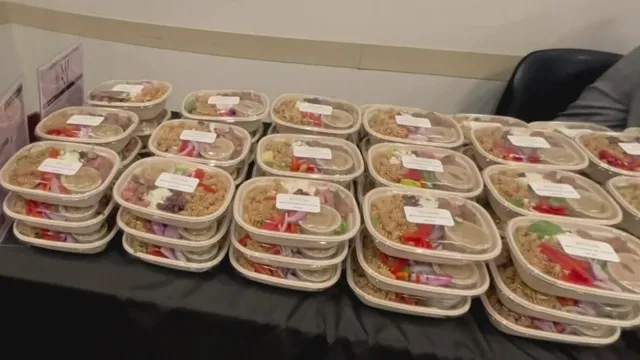
The Farm to School program is designed to support local agriculture while ensuring that students receive healthier meal options. It has been reported that schools participating in the program receive state reimbursements for meals that meet nutritional standards, which helps improve the quality of food served. The recent legislation guarantees nearly $25 million in state funding for the program in the upcoming budget, which is expected to further enhance its reach and effectiveness. However, the actual impact of this funding on school meal quality and student health is still to be fully assessed.