
Topic overview
Briefly
- The Economic Community of West African States (ECOWAS) is leading a project to enhance the region's economic potential.
- Travel along the coast reveals numerous checkpoints that complicate trade and movement.
- Despite the region's beauty and potential, many locals face economic struggles and express dissatisfaction with their leadership.
What happened
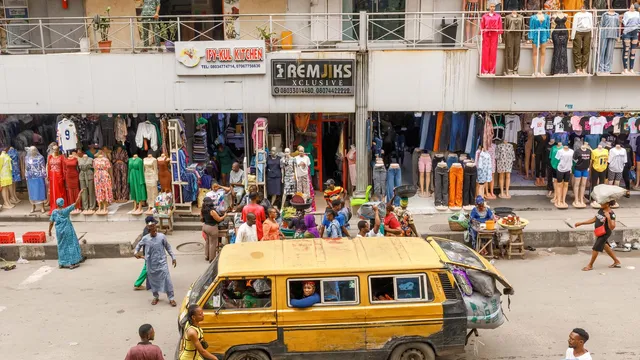
Nigeria, Ghana, and other West African countries are undergoing significant economic transformations, driven by the Economic Community of West African States (ECOWAS). This regional project aims to unlock the economic potential of the area, but it faces challenges, including numerous checkpoints that complicate travel and trade. During a journey along the coast, NPR encountered over 30 checkpoints, highlighting the bureaucratic hurdles that impede movement and commerce. In Nigeria, Antoinette Hudou, a market vendor, expressed the struggles faced by locals, noting that despite her long hours, customers are scarce.
The coastal regions, from Ghana to Nigeria, have seen a shift in their economic landscape, with former ports now attracting tourists. However, the economic growth is not uniform, as many young people express frustration with aging leadership and limited opportunities. In Togo, President Faure Gnassingbé has been in power since 2005, which has led to calls for change among the youth. The disparity in economic conditions across borders is evident, as SIM cards from one country are often unusable in another, complicating communication and business.
Migration patterns are also changing, with a more affluent class of migrants arriving in Ghana from Western countries, drawn by its rising reputation. This influx contrasts with the struggles of local populations, who often seek better opportunities abroad. The tourism economy in places like Bassam provides some jobs for young people, but many still leave in search of better prospects. The region's potential is overshadowed by basic challenges that residents must navigate daily.
As the project led by ECOWAS progresses, it remains to be seen whether it will effectively address these challenges and improve the lives of those living in West Africa. The ongoing economic transformation is a double-edged sword, offering hope for growth while simultaneously exposing the vulnerabilities of the local populations. The future of West Africa hinges on balancing these dynamics and ensuring that the benefits of economic development reach all citizens.

Comprehensive report
Full story,
in detail.
Trace the developments that led here, see how the story evolved, and understand the forces and wider context surrounding it.