
Topic overview
Briefly
- Street food vendors in Hong Kong are increasingly moving indoors to shops and malls.
- The shift has been accelerated by the COVID-19 pandemic and the rise of delivery apps.
- Despite the changes, the essence of street food remains, with a focus on convenience and comfort.
What happened
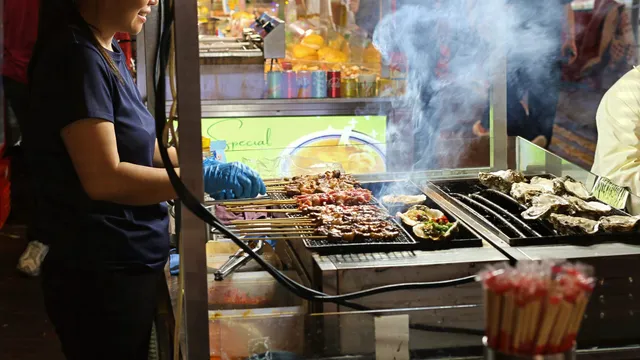
In Hong Kong, the vibrant street food culture is undergoing a significant transformation as vendors adapt to changing consumer behaviors and preferences. Traditionally, street food has been an integral part of the city's culinary landscape, characterized by its accessibility and the sensory experience it offers. However, recent trends indicate a shift towards indoor dining options, with many street food vendors relocating to shops and malls. This change has been accelerated by the COVID-19 pandemic, which has prompted a greater reliance on delivery apps and QR code ordering systems. As a result, the experience of enjoying street food is evolving, with younger generations gravitating towards air-conditioned environments that offer convenience and comfort.
The shift from outdoor street stalls to indoor venues has not diminished the essence of street food. Locals like Ki Tang and Park Ng, who are passionate about food, continue to explore and celebrate the flavors of Hong Kong's culinary heritage. They highlight the fusion of mainland Chinese cuisine with local street food, showcasing dishes such as hot and dry noodles with seafood, Beijing crepes filled with satay beef, and Sichuan pancakes stuffed with char siu pork. This blending of culinary traditions reflects the dynamic nature of Hong Kong's food scene, where innovation meets tradition.
Despite the changes, the spirit of street food remains alive. Vendors are finding new ways to engage with customers, utilizing technology to streamline the ordering process and reduce wait times. The convenience of ordering through apps has made it easier for people to enjoy their favorite dishes without the hassle of long queues. Park Ng notes that this trend was already gaining traction before the pandemic, but the health crisis has solidified its place in the food landscape. The romantic notion of street food as an impulse buy—where the enticing aroma draws people in—still holds true, even in a more structured environment.
Ultimately, the evolution of street food in Hong Kong reflects broader societal changes and consumer preferences. While the traditional street food experience may be changing, the core elements of flavor, convenience, and cultural significance remain intact. As vendors adapt to new realities, the future of street food in Hong Kong looks promising, with opportunities for growth and innovation in both indoor and outdoor settings.

Comprehensive report
Full story,
in detail.
Trace the developments that led here, see how the story evolved, and understand the forces and wider context surrounding it.