
Topic overview
Briefly
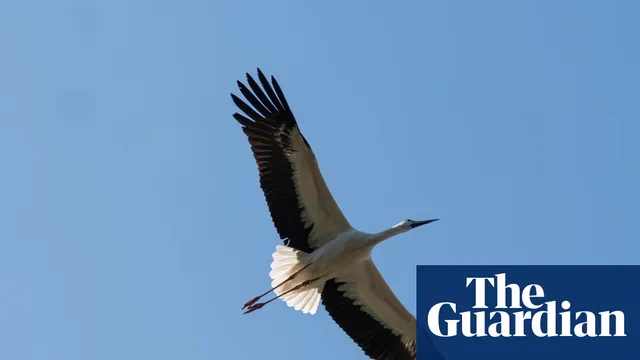
- Twenty-one white storks were released on Bodmin Moor in Cornwall as part of a rewilding project.
- The project aims to establish a breeding population of storks in the region, which has not seen native breeding storks for centuries.
- The release serves to engage the public with nature and promote conversations about ecological health.
What happened
In a significant conservation effort, twenty-one white storks were released on Bodmin Moor in Cornwall, England. This initiative aims to establish a breeding population of these birds in the region, which has not seen native breeding storks for centuries. The release took place after the storks had acclimatized to a safe aviary environment, where they were cared for prior to their introduction to the wild. The project is part of a broader rewilding scheme managed by Hamatethy farm, which also focuses on organic farming practices.
The release of the storks is modeled after a successful reintroduction program at the Knepp estate in West Sussex, which has been operational since 2016. The project manager, Swiderski, emphasized the importance of breeding aviaries, as white storks possess a strong homing instinct and tend to return to their birthplace. By creating a suitable habitat in Cornwall, the hope is that these storks will migrate during the autumn and return to nest in the same area, contributing to the local ecosystem.
Natural England, while recognizing the value of white storks as a charismatic species, has stated that the release of white storks is not a priority for them. Historically, white storks were not native breeding birds in England, with only one recorded instance of breeding in Scotland in 1416. However, with climate change affecting bird migration patterns, there is a growing argument for reintroducing species that can adapt to new environments. Swiderski noted that upland Cornwall provides a suitable habitat for white storks, as it is free from chemical pollution and offers healthy soils, earthworms, and insects.
The release of these storks is not just about restoring a species; it also serves to engage the public with nature. Swiderski believes that by fostering interest in white storks, conversations about ecological health, organic farming, and biodiversity can be encouraged. The project aims to highlight the interconnectedness of species and their habitats, ultimately promoting a healthier environment for all.

Comprehensive report
Full story,
in detail.
Trace the developments that led here, see how the story evolved, and understand the forces and wider context surrounding it.