
Topic overview
In brief
- An estimated 60,000 migrants attempted to enter Ceuta from Morocco in just over 24 hours.
- Local businesses closed and accommodations filled up quickly due to the sudden influx.
- The majority of migrants returned to Morocco, indicating a willingness to try again.
Summary
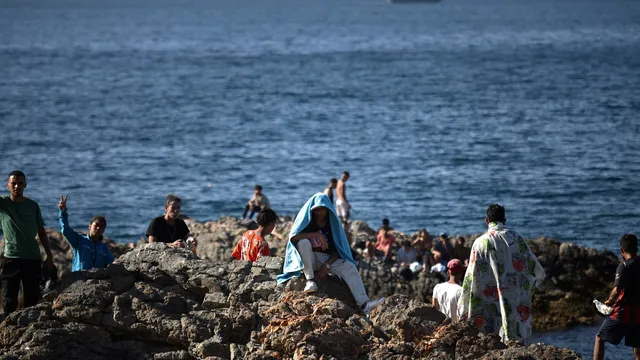
In recent days, the Spanish autonomous city of Ceuta, located on the northern tip of Africa, experienced an unprecedented influx of migrants from Morocco. An estimated 60,000 individuals attempted to cross into Ceuta within a span of just over 24 hours, leading to significant disruptions in the area. Local businesses were forced to close their doors, and all available accommodations quickly filled up as the city struggled to cope with the sudden surge in population. Many of the migrants were reportedly motivated by social media posts encouraging them to seek better opportunities in Spain, including jobs and financial support.
The situation escalated rapidly, prompting a response from local authorities and opposition politicians. The left-wing Spanish government faced criticism for its immigration policies, with some opposition figures labeling the event as an 'invasion.' Zia Yusuf, a senior member of the anti-immigration Reform UK party, traveled to Ceuta to address the situation and to align with right-wing groups seeking to shape the narrative surrounding the events. Despite the chaos, it was noted that a significant majority of the migrants—approximately 90 percent—returned to Morocco by Saturday night, indicating that many were willing to attempt the crossing again in the future.