
Topic overview
Briefly
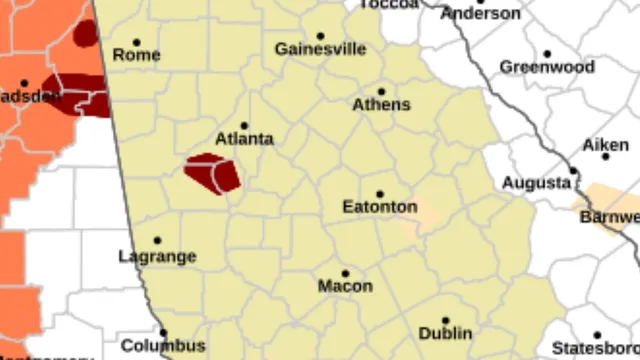
- The National Weather Service has issued a flash flood warning for several counties in north central and west central Georgia.
- Thunderstorms have already produced 2 to 3 inches of rain, leading to potential flash flooding.
- Residents are advised to stay informed and take precautions to ensure their safety.
What happened
On August 11, 2026, the National Weather Service (NWS) issued a flash flood warning for several counties in north central and west central Georgia. This warning came in response to thunderstorms that had already produced between 2 to 3 inches of rain in the region. The NWS highlighted that small creeks, streams, highways, streets, underpasses, and areas with low or poor drainage could experience significant flash flooding. The warning specifically mentioned locations such as Fayetteville, Peachtree City, Fairburn, Tyrone, Palmetto, Senoia, Cannongate, Sandy Creek, Thomas Crossroads, Madras, Dunaway Gardens, and Roscoe as areas likely to be impacted by the flooding.
The issuance of this warning reflects the NWS's commitment to public safety and preparedness in the face of severe weather conditions. Flash floods can occur with little warning, and the NWS aims to alert residents in affected areas to take necessary precautions. The agency advises individuals to stay informed about weather updates and to avoid driving through flooded areas, as even small amounts of water can pose significant risks.
In addition to the immediate threat of flooding, the heavy rainfall can lead to longer-term impacts on local infrastructure and ecosystems. Roads may become impassable, and the risk of landslides can increase in hilly or mountainous areas. Communities may also face challenges in managing stormwater runoff, which can exacerbate flooding conditions. The NWS continues to monitor the situation and provide updates as necessary, emphasizing the importance of being weather aware during such events.
As the situation develops, residents are encouraged to heed local advisories and take proactive measures to ensure their safety. The NWS will continue to provide forecasts and warnings as conditions change, and it is crucial for individuals to remain vigilant during this period of heightened weather activity.

Comprehensive report
Full story,
in detail.
Trace the developments that led here, see how the story evolved, and understand the forces and wider context surrounding it.