
Topic overview
Briefly
- Jamie Dimon cited a decline in New York finance jobs he blamed partly on the city's tax burden.
- Prime Minister Andy Burnham has left the door open to increasing bank taxes in the October budget.
- Organized labor is among the groups calling for increased levies on profitable lenders.
What happened
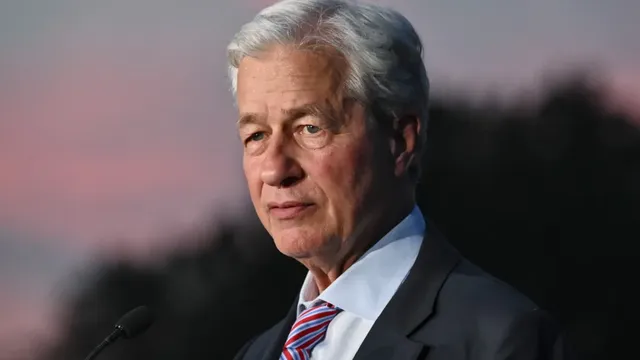
JPMorgan Chase & Co. CEO Jamie Dimon directly engaged with UK Chancellor of the Exchequer John Healey in a phone call last week to express his concerns over potential tax increases on the banking sector. The conversation occurred as Prime Minister Andy Burnham's government prepares its budget for October, with the door left open to increasing bank taxes. Strong profits in the financial industry have spurred calls, including from organized labor, to increase levies on lenders. Dimon's intervention represents a significant escalation in the debate over the UK's fiscal policy towards the financial services industry.
During the call, Dimon articulated a clear argument against higher taxation, citing the practical consequences of such policies. He pointed to a decline in finance jobs in New York, which he attributed in part to the city's tax burden. This example served as a cautionary tale for the UK, suggesting that increasing the bank tax surcharge could similarly drive capital and employment away from London and other financial centers. Dimon's argument is rooted in the mobility of capital and talent in the global financial industry, where firms can relocate operations to more favorable tax jurisdictions.
The warning comes at a politically sensitive time for the Burnham government. The administration is balancing the demands of organized labor and public opinion, which favor higher taxes on profitable banks, against the risk of damaging the UK's competitiveness as a global financial hub. The bank tax surcharge, an additional levy on bank profits, has been a point of contention since its introduction. Dimon's reiteration of his criticism in recent weeks underscores the sustained pressure from major financial institutions. The outcome of this policy debate will have significant implications for the UK's post-Brexit economic strategy and its relationship with the international finance community.
The potential consequences of a tax increase extend beyond the immediate fiscal revenue. A decision to raise taxes on banks could trigger a reassessment of investment plans by major financial institutions, potentially leading to a gradual erosion of the UK's financial ecosystem. The loss of high-paying finance jobs would have a ripple effect on the broader economy, affecting everything from real estate to professional services. Conversely, resisting the tax increase could strain the government's relationship with its political base and labor unions. The final budget in October will be a critical indicator of the government's priorities and its willingness to heed warnings from influential figures like Jamie Dimon.

Comprehensive report
Full story,
in detail.
Trace the developments that led here, see how the story evolved, and understand the forces and wider context surrounding it.