
Topic overview
Briefly
- Researchers will use lab-grown mini-organs called organoids to test potential treatments more accur
- The approach captures individual patient characteristics to enable personalised therapy development
- Combining AI with human tissue models aims to reduce time and cost of bringing new drugs to market
What happened
The Medical Research Council has provided £20 million in funding to establish a new research hub at the Cambridge Stem Cell Institute, located on the Cambridge Biomedical Campus. The facility will focus on integrating artificial intelligence with advanced human-based laboratory models to transform how new medicines are developed and tested. Professor Matthias Zilbauer, a consultant at Cambridge University Hospitals, and Professor Bertie Göttgens, director of the Cambridge Stem Cell Institute, will jointly lead the initiative.
The hub's primary objective is to bridge the gap between laboratory research and clinical application by creating more accurate methods to study, predict, and develop treatments for human diseases before they reach patient trials. Researchers will employ scientific models based on human tissues and diseases, moving away from traditional approaches that often fail to translate effectively into human treatments. This approach aims to capture important characteristics of individual patients, enabling more precise disease study and treatment testing.
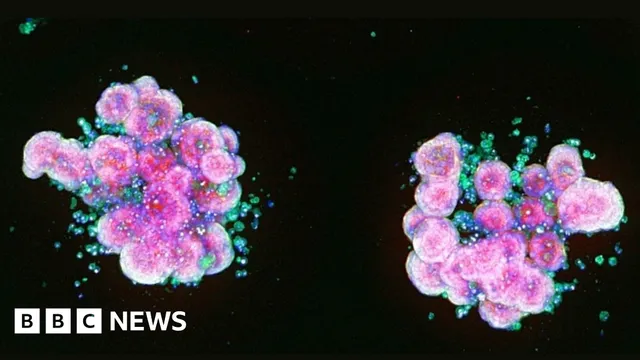
A key technological component of the hub's work involves lab-grown mini-organs called organoids and other stem cell-based systems. These biological models will be combined with AI approaches, bioengineering techniques, and clinical research to create comprehensive testing platforms. The integration of these technologies is expected to produce more reliable predictions about how potential therapies will behave in human patients, potentially reducing the high failure rate currently seen when drugs move from laboratory testing to human trials.
The collaboration brings together hospitals, research institutes, and industry partners from Cambridge and across the United Kingdom. This multi-institutional approach is designed to accelerate both the development and adoption of new research tools that better reflect human biology. The ultimate goal is to create more effective, personalised therapies while simultaneously reducing the time and cost associated with drug development. The hub represents a significant investment in the future of pharmaceutical research, potentially changing how the medical community approaches the development of treatments for a wide range of human diseases.

Comprehensive report
Full story,
in detail.
Trace the developments that led here, see how the story evolved, and understand the forces and wider context surrounding it.