
Topic overview
Briefly
- Starbucks net revenues were $9.3 billion, down 1% but above expectations
- Stock up nearly 24% year-to-date, with over 1,000 store uplifts completed
- Baristas can earn up to $1,200 annually in performance bonuses
What happened
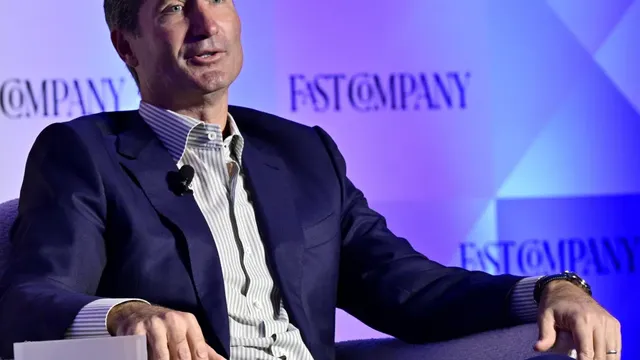
Brian Niccol, CEO of Starbucks, has been leading the company for nearly two years, implementing his "Back to Starbucks" plan to restore the coffee chain's identity as a cozy "third space" where customers can relax and connect with baristas. During the Fast Company Innovation Festival last year, Niccol expressed confidence that economic headwinds would not undermine Starbucks' performance, citing the company's dedication to craft, quality, and exceptional customer service. He argued that the combination of these elements justifies the premium price of a $6 or $7 latte, stating, "When you look at putting those two things together for the price that we will have to charge for it, I think it will turn out to be invaluable."
Niccol's strategy includes enhancing the in-store experience by adding comfortable seating, improving store ambiance, and reducing clutter from mobile order pick-up areas. He observed that many stores had neglected seating and outlets, and he has since overseen the addition of hundreds of thousands of chairs and the completion of over 1,000 store "uplifts" across North America, reaching the fiscal 2026 goal ahead of schedule. The company also pared down its menu and introduced automation to give baristas more time to interact with customers, including personal touches like handwritten notes on cups.
The results have been promising: net revenues for the latest quarter were $9.3 billion, a slight 1% decrease but still exceeding expectations, and the stock has risen nearly 24% year-to-date. Niccol told investors that the "brand flywheel is working." In April, Starbucks announced a performance-based bonus program for baristas, offering up to $1,200 annually for meeting sales and customer service targets. Niccol has stated that the turnaround is "ahead of schedule," citing internal data showing improvements in speed, hospitality, and order accuracy.
Despite these efforts, the company faces challenges from a rocky economic landscape, with cash-strapped consumers potentially cutting back on discretionary spending. However, Niccol remains confident that the value proposition of quality and service will retain customers. He has also emphasized the importance of the "third place" experience, which he believes is a key differentiator for Starbucks. The company's focus on customer service and store ambiance is part of a broader strategy to differentiate itself from competitors and maintain its premium positioning in the coffee market.

Comprehensive report
Full story,
in detail.
Trace the developments that led here, see how the story evolved, and understand the forces and wider context surrounding it.