
Topic overview
Briefly
- Twilio CEO Mike Shipchandler wakes at 4:30 a.m., works Sundays, and runs laps in his house between 5
- He does not believe work-life balance is possible at the top, but he manages his time strictly
- He attributes his work ethic to his immigrant parents and has never spoken to a peer with a similar
What happened
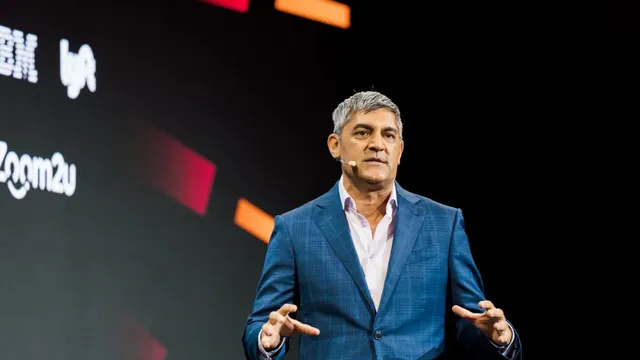
Mike Shipchandler, the CEO of Twilio, a company valued at $38 billion with over 5,500 employees, has a highly structured daily routine that begins at 4:30 a.m. and ends at 9:30 p.m. He wakes up early to scan Slack, emails, and texts for urgent issues, then follows a fixed order: coffee, breakfast (usually a smoothie), news headlines, and a workout. He intentionally maintains this order to think through the day's events while exercising. By 7:30 a.m., he is officially at work, ahead of most engineers who start at 9. He takes a dinner break, either at home with family or with customers when traveling, and squeezes in an extra hour of work before winding down with 20-30 minutes of SportsCenter or whatever his wife falls asleep to. He goes to bed at 9:30 p.m. On weekends, his routine is more relaxed, but he still works most Sundays, allowing only six to eight hours on Saturdays to not think about work.
Shipchandler attributes his work ethic to his immigrant parents from Mumbai, who pushed him to work hard and play hard. He graduated from Indiana University in 1996 and started his career at an industrial conglomerate. He acknowledges that his choices have consequences, such as missing his son's tennis matches, but he believes that if you want a more balanced life, that's awesome, though he has never spoken to a peer who doesn't have a similar routine. He does not believe work-life balance is possible at the top, but he manages his time strictly: he only takes meetings that drive the company forward or bring him energy, uses 25-minute meetings in 30-minute slots, and runs laps around his house between meetings to get blood flowing. After lunch, he walks on a treadmill for 10 minutes to avoid an afternoon lull. He avoids social media to maintain focus, saying that habits allow him to move through work intentionally without distractions.
This routine was detailed in an interview with Fortune, published on August 29, 2025. The article highlights how high-performing executives structure their days, with Shipchandler as an example. His approach reflects a broader trend among top executives who prioritize intense schedules and disciplined habits to manage large organizations. The story provides insight into the personal sacrifices and strategies required to lead a major tech company, emphasizing the importance of routine and intentional time management.

Comprehensive report
Full story,
in detail.
Trace the developments that led here, see how the story evolved, and understand the forces and wider context surrounding it.