
Topic overview
Briefly
- Shane Brooks handed Ember McSpadden a handgun with one live round during consensual foreplay
- McSpadden pulled the trigger three times before the weapon discharged, striking Brooks in the neck
- Brooks was a Virginia National Guard staff sergeant who served a nine-month tour in Iraq
What happened
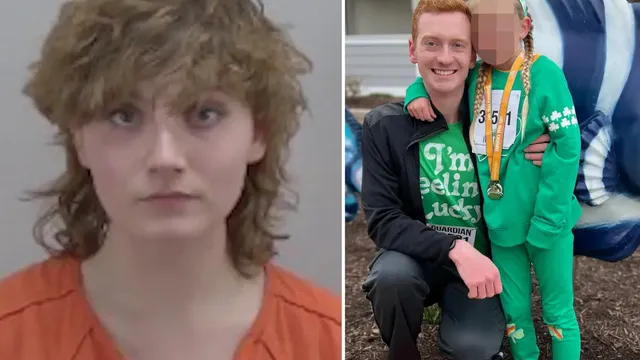
A 19-year-old Virginia woman, Ember McSpadden, has been charged with involuntary manslaughter following the fatal shooting of 26-year-old Shane Brooks in Virginia Beach. The incident occurred during what investigators described as consensual foreplay involving firearms and knives, with the pair engaging in a dangerous game resembling Russian roulette. According to court documents and testimony, Brooks handed McSpadden a handgun containing one live round, and she allegedly pulled the trigger three times, counting the clicks before the weapon discharged, striking Brooks in the neck. Virginia Beach emergency dispatchers received a report of the shooting around 1:09 a.m. in the 2600 block of Virginia Beach Boulevard. Officers arrived to find Brooks suffering from a gunshot wound, and he was pronounced dead at the scene. Police initially described the death as resulting from an unintended firearm discharge before McSpadden's arrest.
McSpadden's attorney, Artisha Gregg, has maintained that the shooting was a tragic accident that her client neither intended nor foresaw. During court proceedings, Gregg emphasized McSpadden's deep regret, noting her emotional reaction during the hearing. The defense argues that the evidence demonstrates the incident was an unforeseen tragedy rather than a criminal act. McSpadden faces a maximum prison term of 10 years if convicted of involuntary manslaughter. Her next court appearance is scheduled for October 21, 2026, where further legal proceedings will determine the outcome of the case.
The victim, Shane Brooks, was a lifelong Virginia Beach resident with a distinguished background. He graduated from Old Dominion University and served as a staff sergeant in the Virginia National Guard, completing approximately a decade of military service that included a nine-month tour in Iraq. Beyond his military career, Brooks was an accomplished marathon runner, a licensed pilot, and an avid outdoorsman. His family described him as the glue that held their family together, and his death has left a profound void. Members of his running community organized a memorial run in his honor, reflecting the impact he had on those around him.
The case has drawn significant attention due to the unusual and dangerous circumstances surrounding Brooks' death. The concept of incorporating loaded firearms into intimate encounters represents an extreme risk that ultimately proved fatal. The legal proceedings will likely examine the boundaries between consensual risky behavior and criminal negligence. McSpadden's alleged actions—pulling the trigger multiple times while aware the gun contained a live round—raise complex questions about intent and recklessness. The tragedy has devastated both families involved, with Brooks' mother, Penny Brooks, and brother, Hunter Brooks, expressing their profound loss and the difficulty of hearing the details presented in court. The case serves as a stark reminder of the potentially lethal consequences of mixing firearms with any activity, regardless of the participants' consent or intentions.

Comprehensive report
Full story,
in detail.
Trace the developments that led here, see how the story evolved, and understand the forces and wider context surrounding it.